Guide
A guide to Filipino food.
Sour, salty, sweet and built around rice: what Filipino cuisine is, where it comes from, and the 34 dishes worth cooking first, each with a full recipe.
By Roberto Sabanal · Updated
What is Filipino food?
Filipino food is the cooking of the Philippines, an archipelago of more than 7,000 islands. It is built on rice and on a handful of pantry staples (vinegar, soy sauce, garlic, coconut milk, fish sauce and shrimp paste) used to balance sour, salty, sweet and savory flavors.
Most meals are a few shared dishes, called ulam, eaten with plenty of steamed rice. Recipes change from island to island and from family to family, so there is rarely one correct version of a dish: every grandmother (lola) has her own adobo.
Filipino cuisine grew from Austronesian roots and centuries of trade and colonial rule, which is why one table can hold Chinese-style noodles, a Spanish-style stew and a vinegar dish older than both.
The flavors of Filipino cuisine
Filipino cooking is about balance more than heat. Most dishes lean on one of these flavors, and the table lets everyone adjust the rest.
Sour (asim)
Vinegar, tamarind, calamansi and green mango. Souring kept food fresh in the tropical heat and defines adobo, sinigang and kinilaw.
Salty and savory (alat)
Soy sauce, fish sauce (patis) and fermented shrimp paste (bagoong) bring salt and depth, usually in small amounts.
Sweet (tamis)
Sugar, coconut and ripe fruit round out savory dishes. Some, like tocino and Filipino spaghetti, are openly sweet.
Dipping sauces (sawsawan)
Small dishes of spiced vinegar, soy sauce with calamansi, or bagoong on the side, so everyone seasons their own plate.
Where Filipino cuisine comes from
Austronesian roots
Cooking with vinegar, coconut milk and fire came first. Kinilaw, sinigang and the braising method behind adobo are older than any foreign influence.
Chinese traders
Centuries of trade brought noodles, soy sauce, spring rolls and rice porridge: pancit, lumpia and arroz caldo.
Spanish rule
More than 300 years of Spanish rule added tomatoes, sausages, slow stews and custards, and their names: caldereta, mechado, menudo and leche flan.
The American period
The 20th century brought canned goods, evaporated milk, hot dogs and fried chicken, which became Filipino spaghetti and halo-halo as it is eaten today.
Filipino dishes to try
34 dishes that show the range of Filipino food, grouped the way they turn up on the table. Each one links to a full recipe with ingredients, timed steps and calories per serving.
Classics to start with
If you cook only five Filipino dishes, make these.

Pork Adobo
The unofficial national dish: pork braised in vinegar, soy sauce, garlic, bay leaves and peppercorns until the sauce turns glossy.

Pork Sinigang
A sour tamarind broth with pork ribs, radish, string beans and water spinach. The sourness is the point, so adjust it to taste.
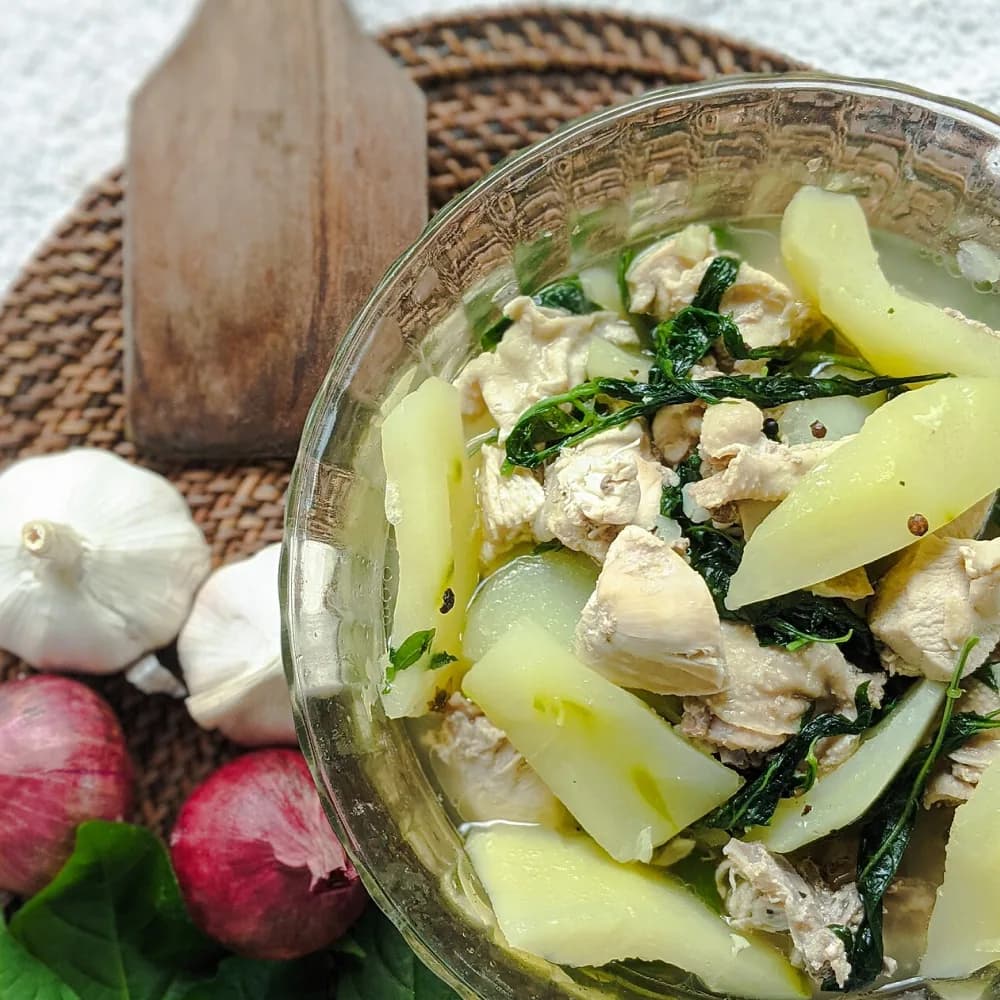
Chicken Tinola
Chicken simmered with ginger, green papaya and moringa or chili leaves: a clear, gentle soup for rainy days.
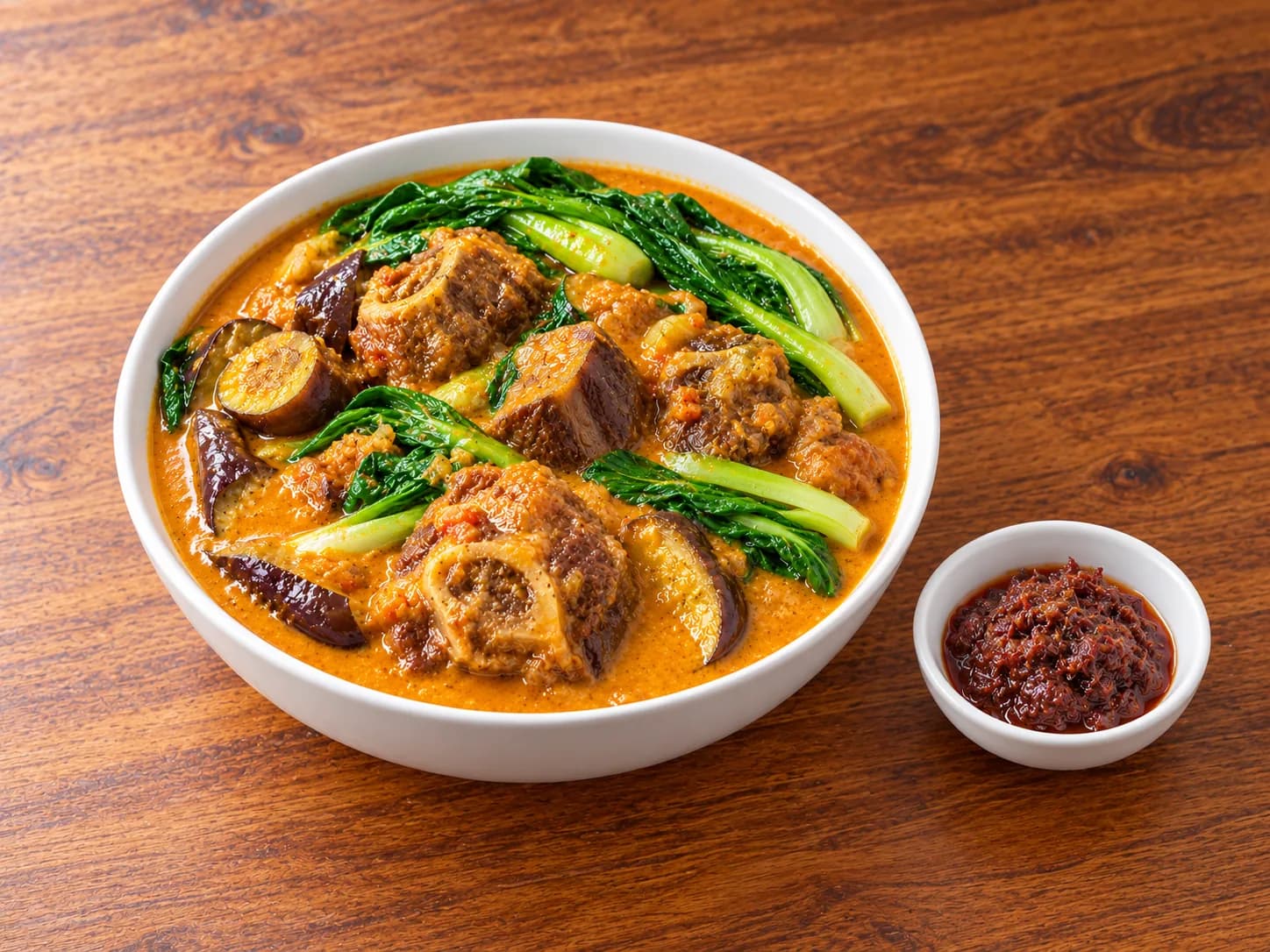
Kare-Kare
Oxtail and vegetables in a thick peanut sauce, served with shrimp paste on the side to salt each bite.
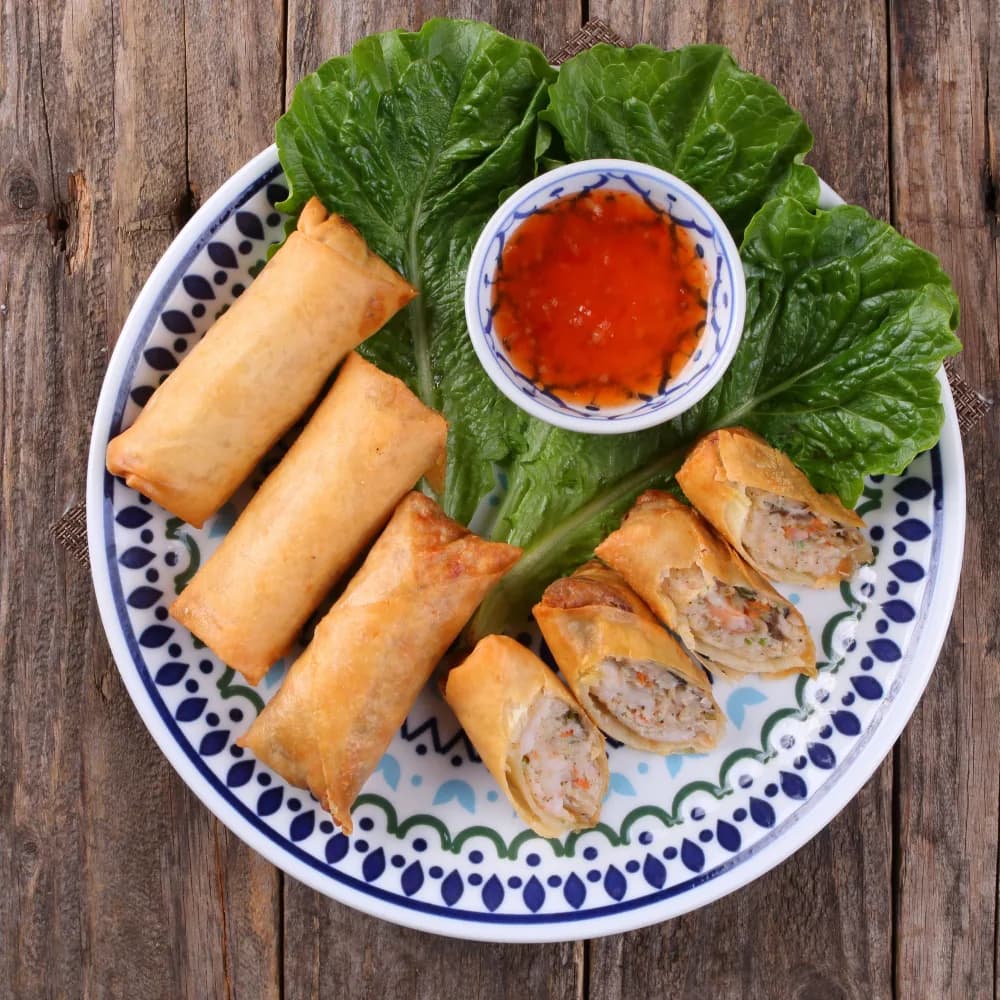
Lumpia
Fried spring rolls filled with ground pork and vegetables, brought by Chinese traders and now at every party.
Soups and stews
Most Filipino meals have a broth (sabaw) on the table, spooned over rice.
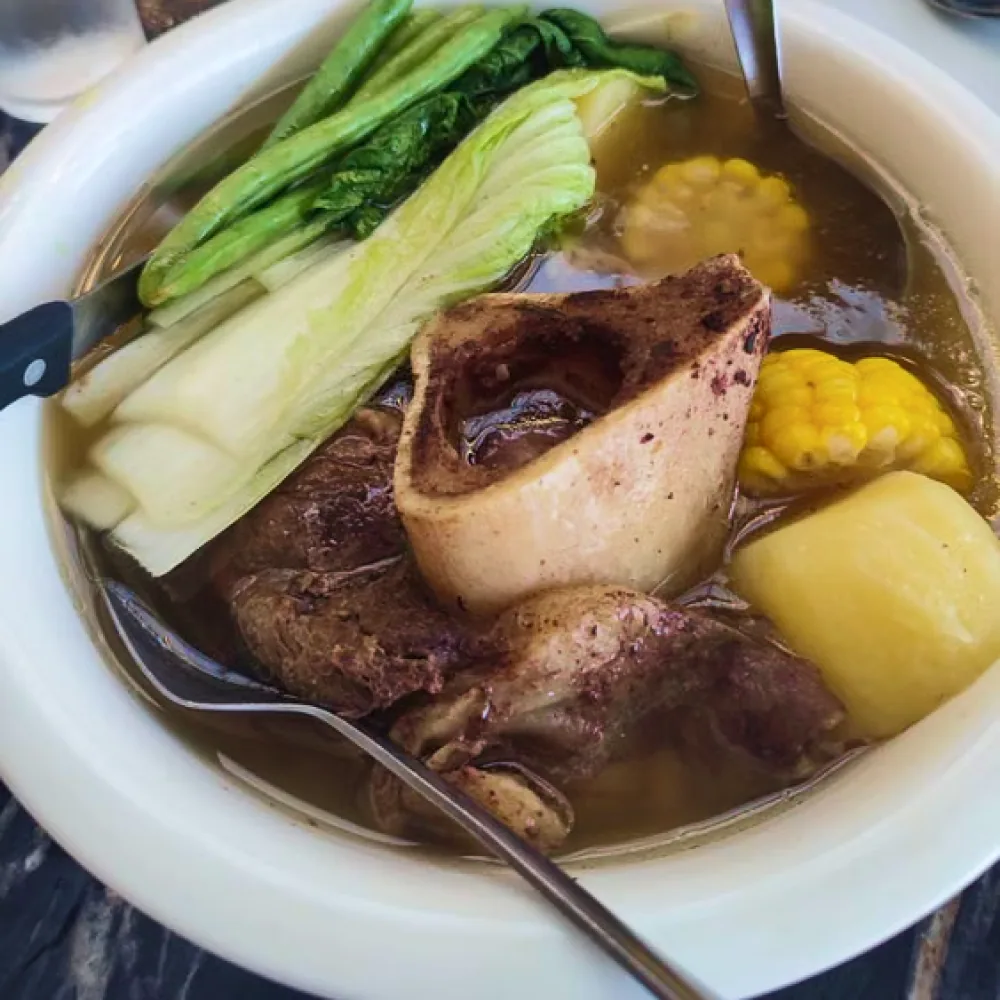
Bulalo
Beef shank and marrow bones simmered for hours with corn and cabbage, a specialty of Batangas.

Beef Caldereta
A rich tomato stew with liver spread, bell peppers and potatoes, from the Spanish era and made for fiestas.
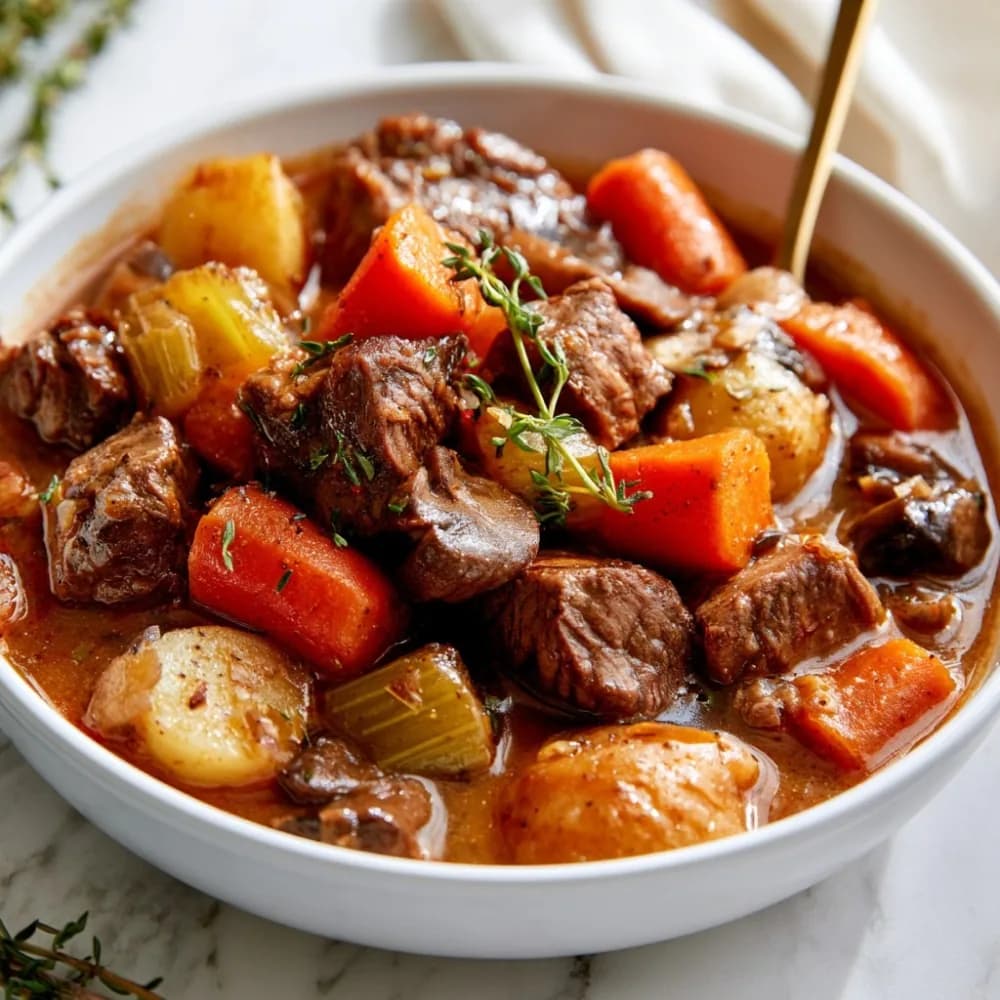
Pork Menudo
Diced pork and liver in tomato sauce with potatoes and carrots, an everyday stew that goes with a lot of rice.

Dinuguan
Pork stewed in pig's blood and vinegar until dark and savory, traditionally eaten with puto, steamed rice cakes.

Nilagang Baka
Boiled beef with potatoes, corn and cabbage: the plainest soup on the table and one of the most loved.
Fried, grilled and party food
What comes out for birthdays, fiestas and long Sunday lunches.
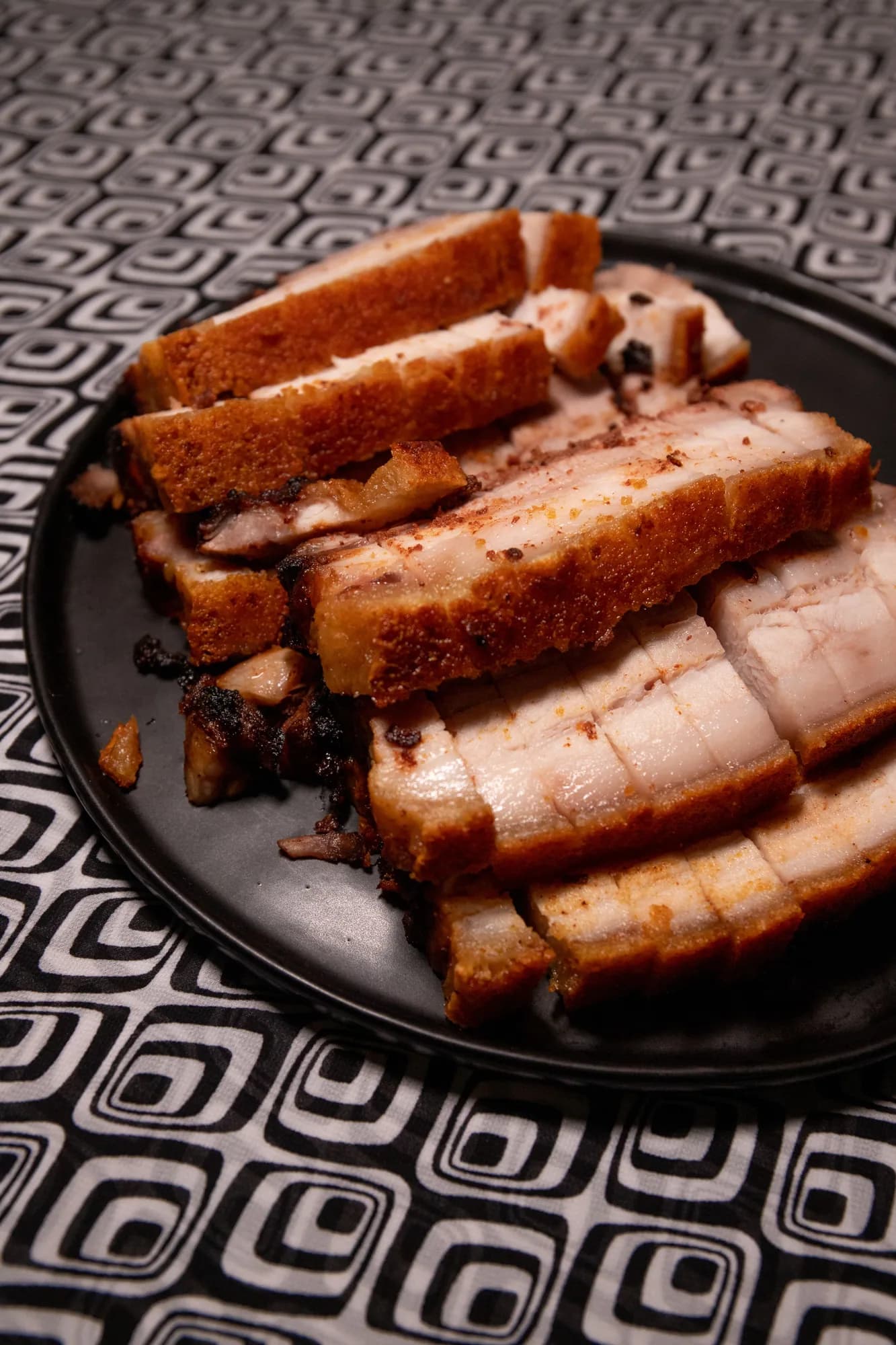
Lechon Kawali
Pork belly boiled, then deep-fried until the skin blisters and crackles. Dip it in liver sauce or spiced vinegar.

Crispy Pata
A whole pork knuckle simmered until tender and fried until crisp, the centerpiece of a family celebration.
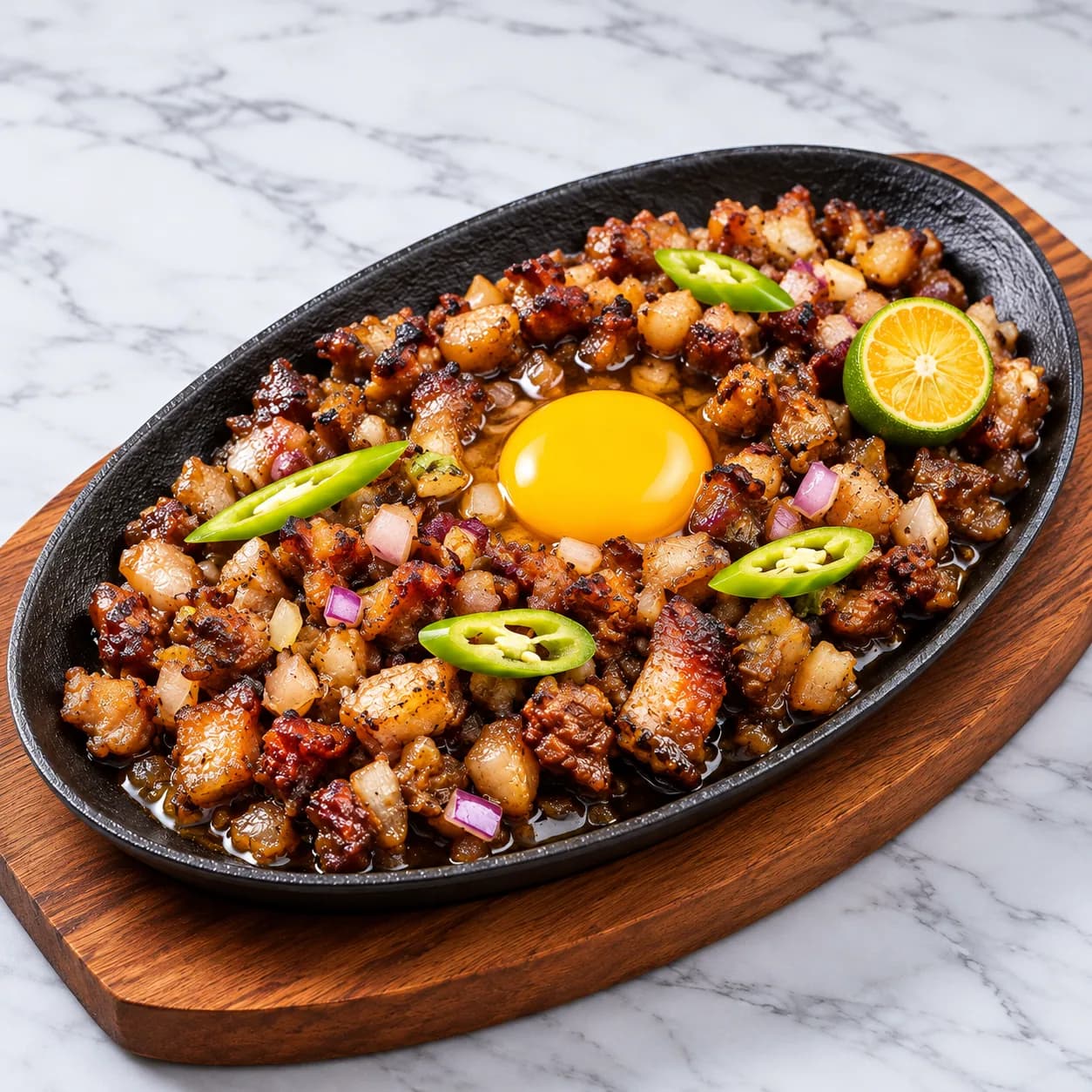
Pork Sisig
Chopped pork, onions and chili served sizzling on a hot plate, from Pampanga, the country's culinary capital.

Chicken Inasal
Bacolod's grilled chicken, marinated in vinegar, calamansi and lemongrass and basted with annatto oil.

Pork Barbecue
Sweet, sticky skewers of marinated pork, grilled on street corners and at every backyard party.
Noodles and rice
Rice comes with every meal; in these dishes rice or noodles are the star.
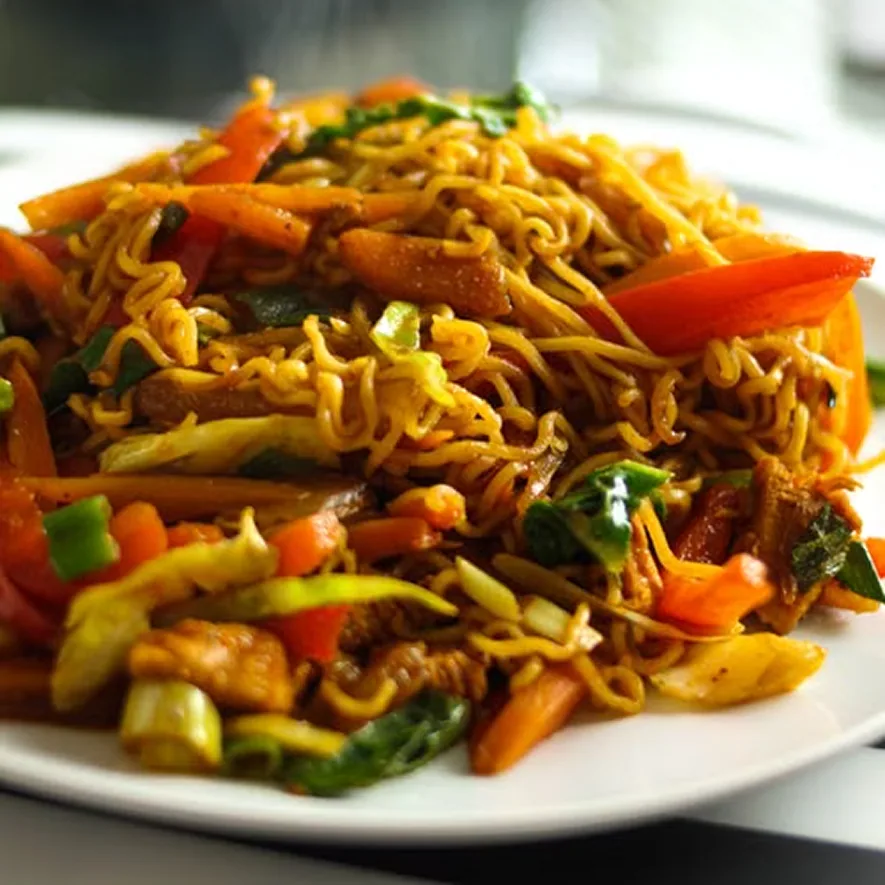
Pancit Canton
Stir-fried egg noodles with meat and vegetables. Noodles stand for long life, so pancit is served at birthdays.
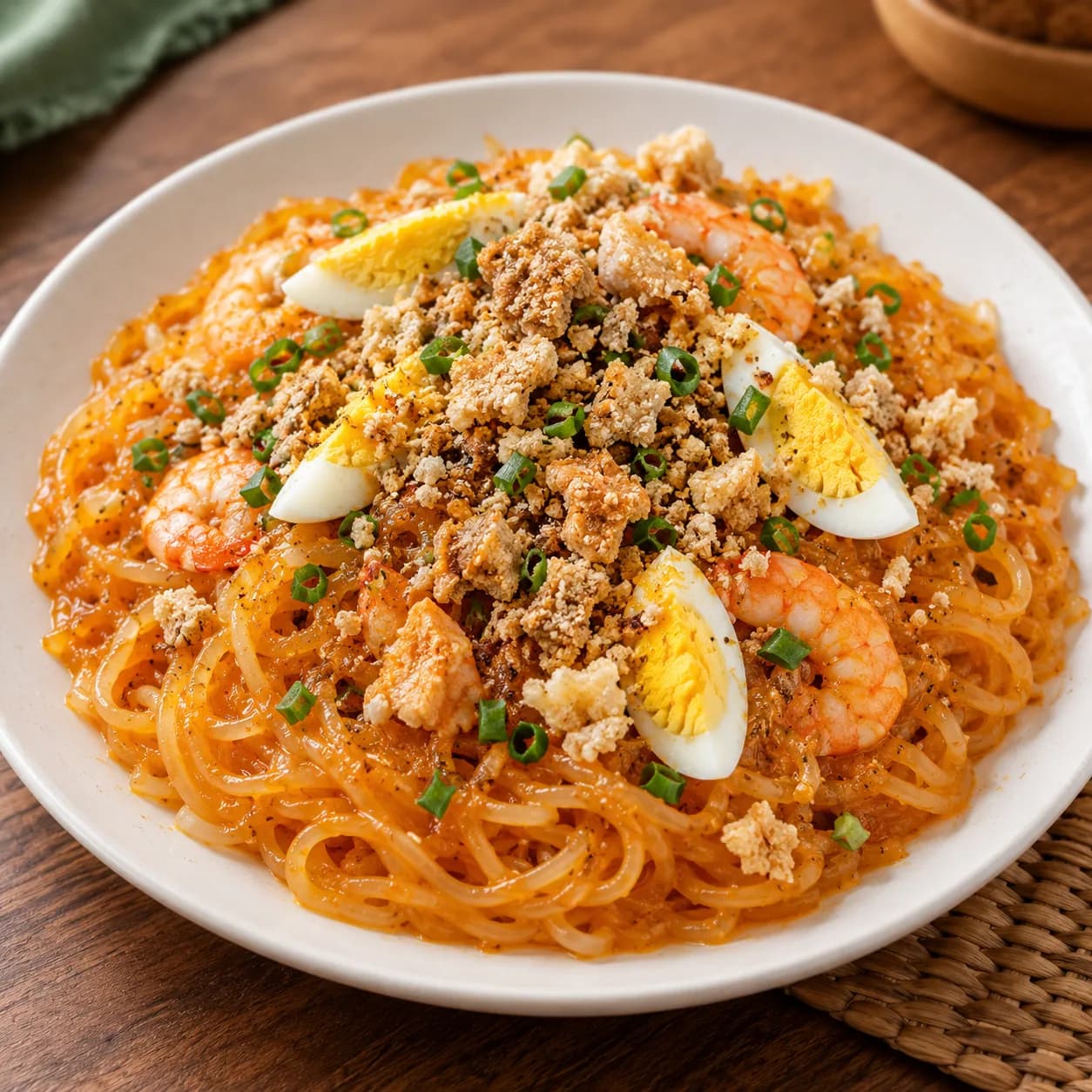
Pancit Palabok
Rice noodles under a bright orange shrimp sauce, topped with crushed pork crackling, egg and smoked fish.

Arroz Caldo
Chicken and rice porridge with ginger and garlic: a Chinese congee with a Spanish name and Filipino toppings.
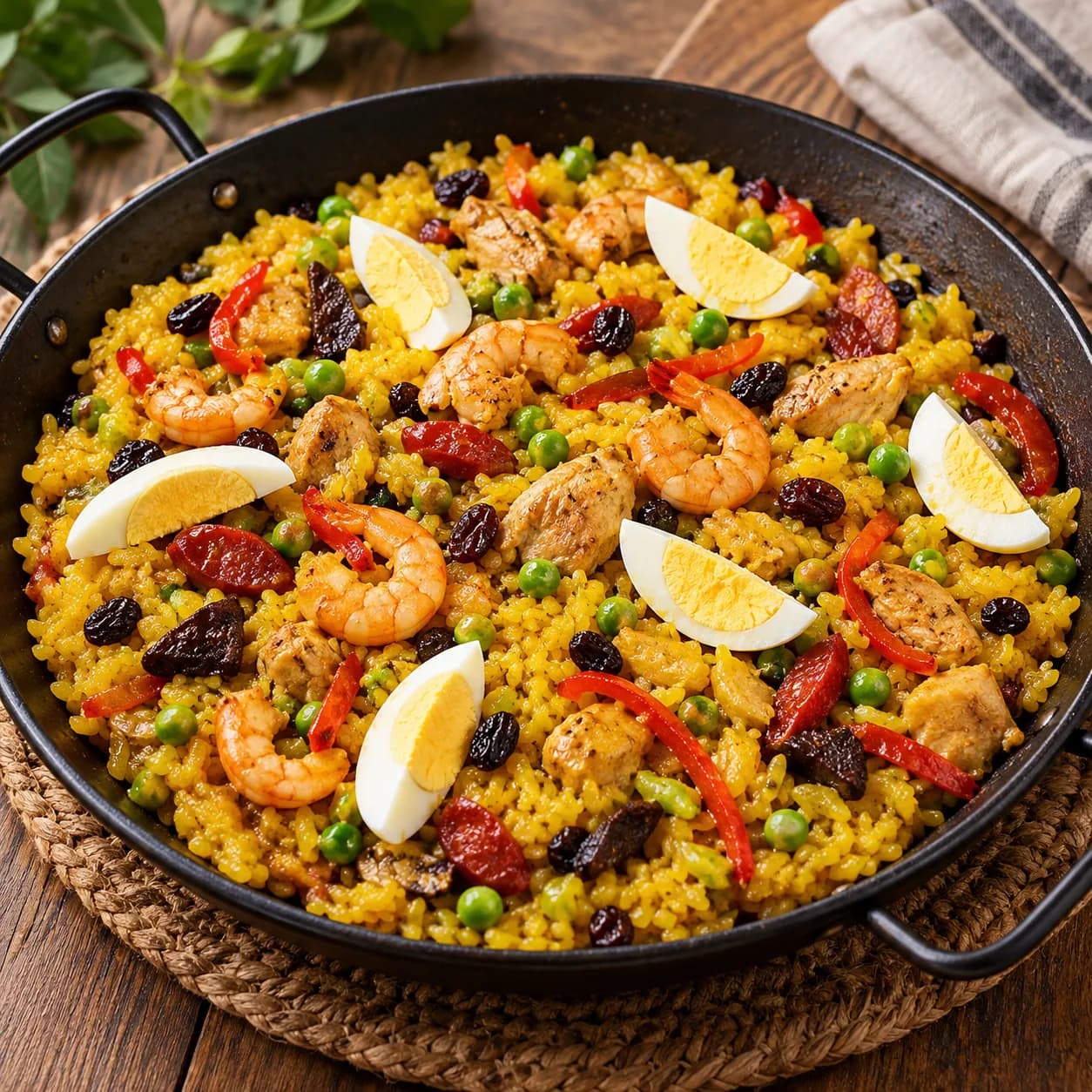
Valenciana
The Filipino cousin of paella, made with glutinous rice, chicken and chorizo.
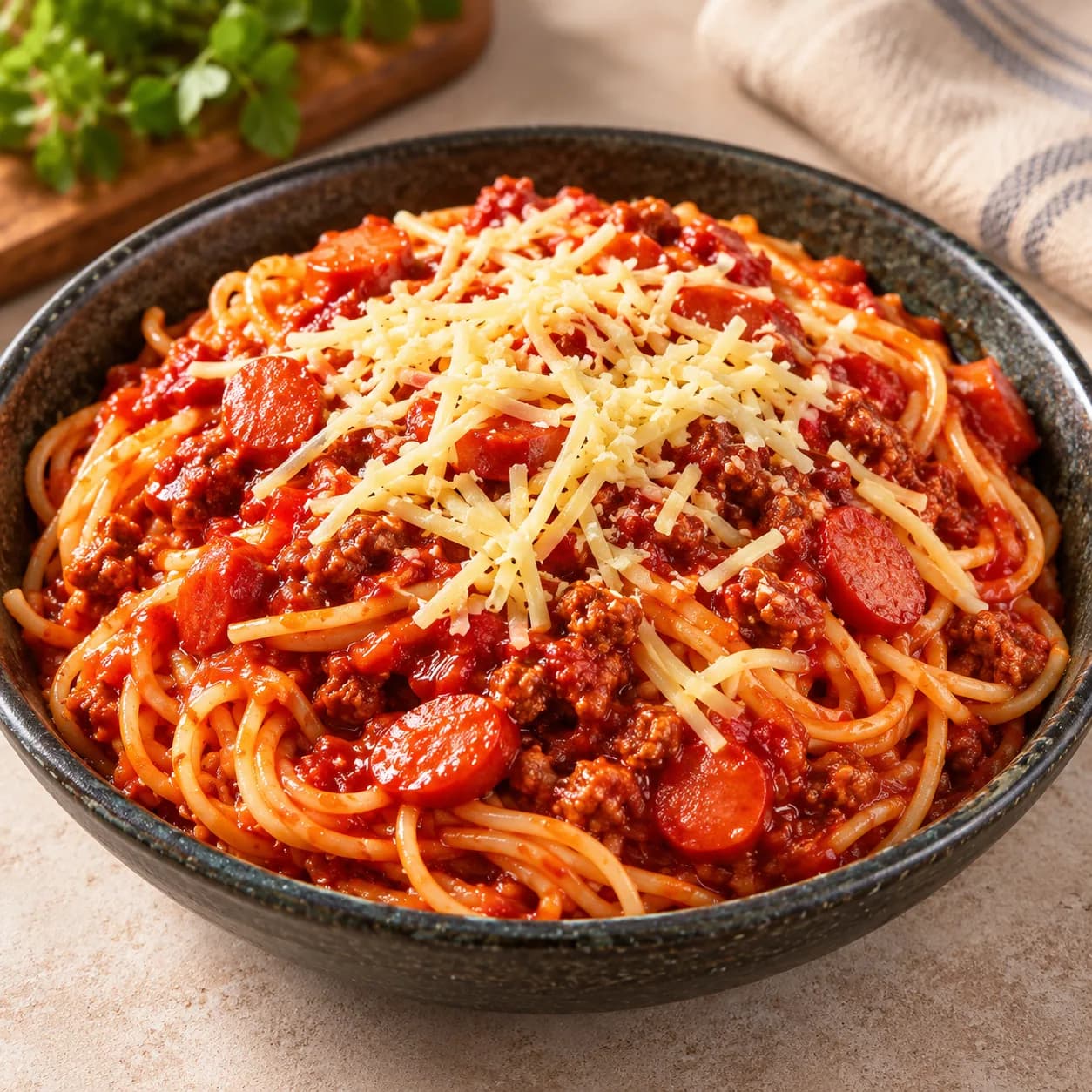
Filipino Spaghetti
Sweet spaghetti with banana ketchup and sliced hot dogs, an American-era creation and a must at children's parties.
Vegetables and seafood
Coconut milk, vinegar and shrimp paste do much of the work here.

Pinakbet
An Ilocano stew of bitter melon, eggplant, squash and okra seasoned with fermented shrimp paste.

Laing
Dried taro leaves slow-cooked in coconut milk with chili, from Bicol, where coconut and chili go into almost everything.

Ginisang Monggo
Sautéed mung bean stew with greens, traditionally cooked on Fridays.

Kinilaw na Tanigue
Raw fish cured in vinegar with ginger, onion and chili, one of the oldest dishes in the islands.

Daing na Bangus
Milkfish butterflied, marinated overnight in vinegar and garlic and fried crisp. Bangus is the national fish.
Breakfast
The silog plate: a cured meat with sinangag (garlic rice) and itlog (egg).

Beef Tapa
Cured, thinly sliced beef fried for breakfast. With garlic rice and a fried egg it becomes tapsilog.

Pork Tocino
Sweet cured pork that caramelizes in the pan. With rice and egg it becomes tocilog.

Filipino Longganisa
Filipino sausages, sweet or garlicky depending on the town; almost every province has its own.
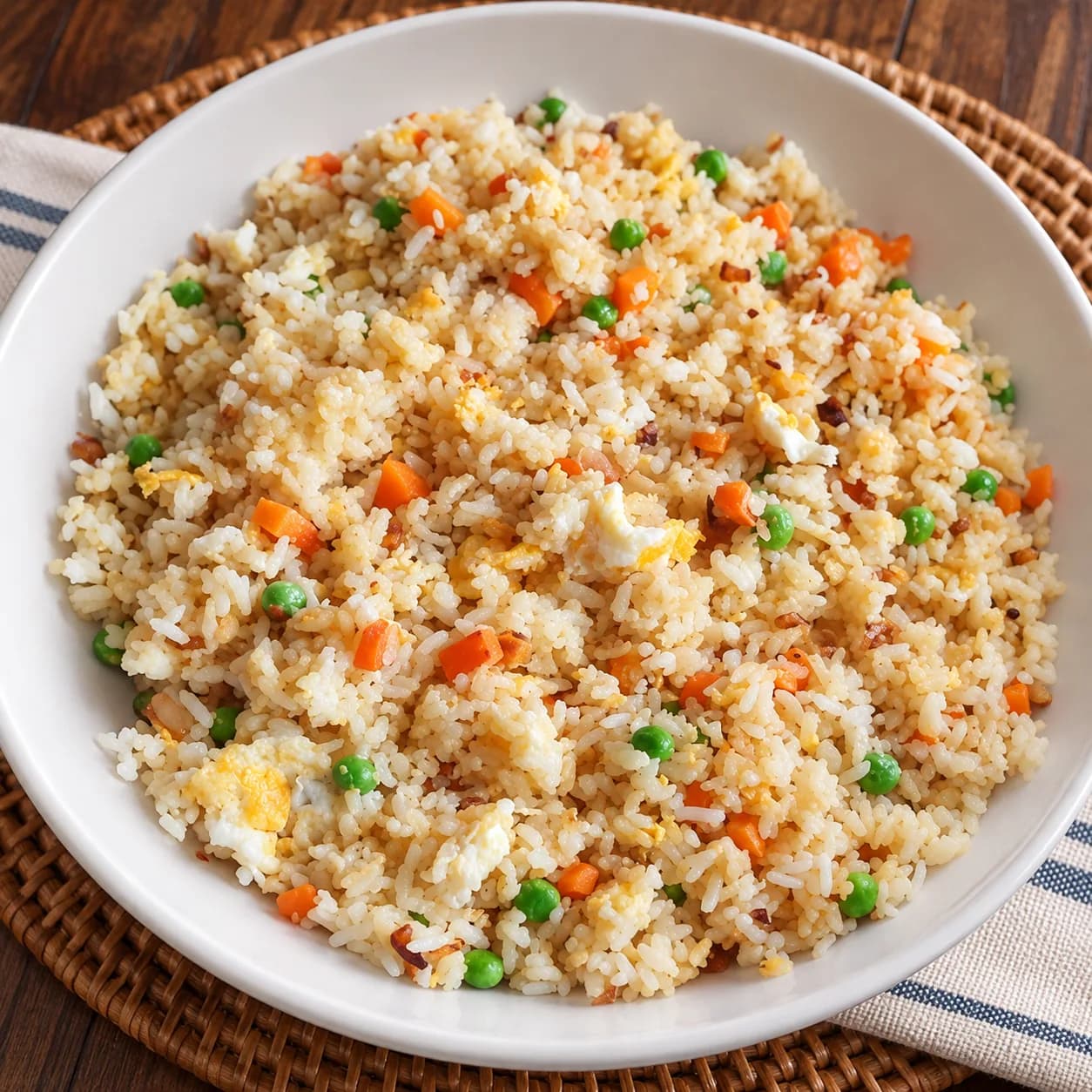
Filipino Fried Rice
Sinangag, day-old rice fried with plenty of garlic: the base of every silog breakfast.
Desserts and merienda
Sweets for the afternoon snack (merienda), fiestas and Christmas.
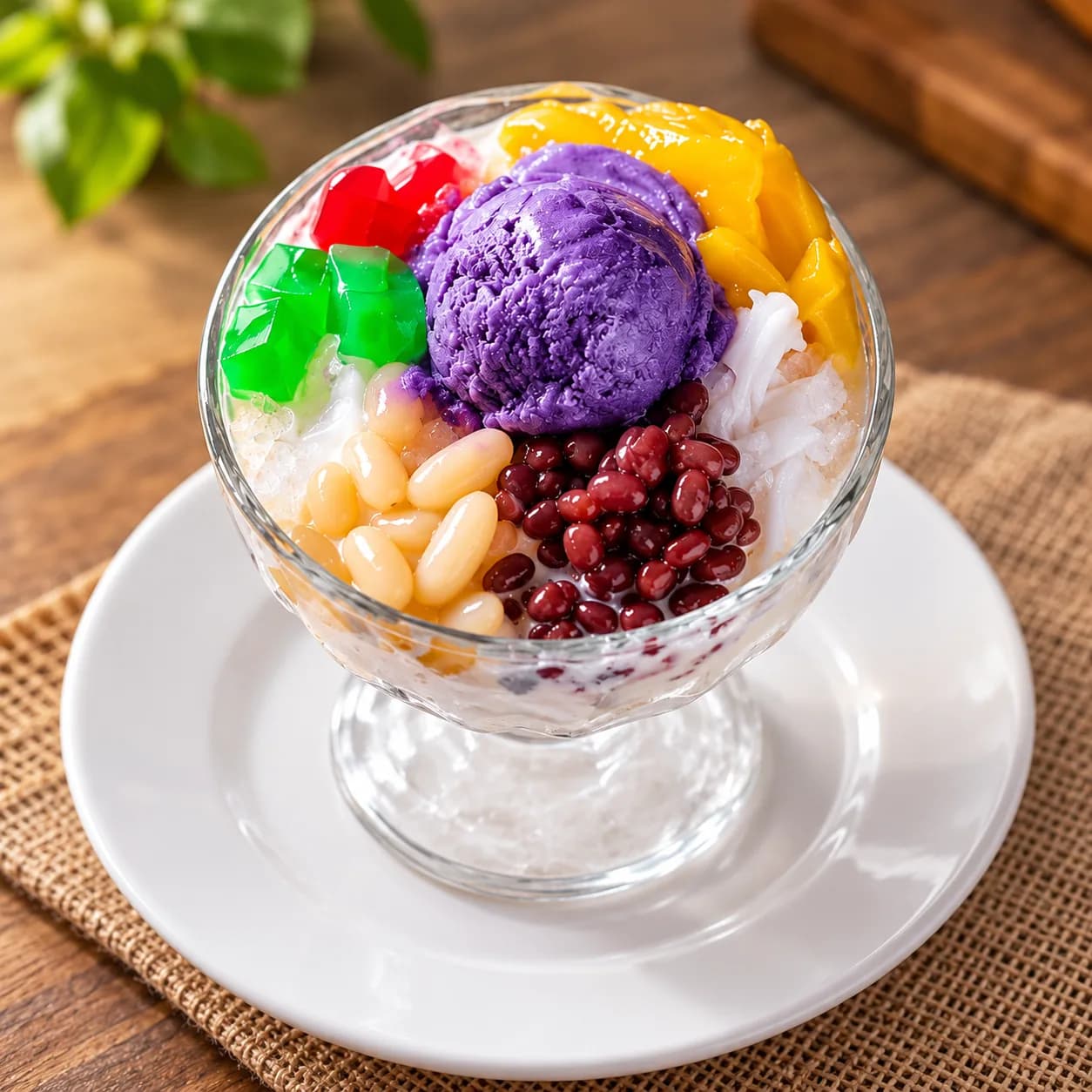
Halo-Halo
Shaved ice with sweet beans, jellies, fruit, ube and leche flan under evaporated milk. The name means “mix-mix”.
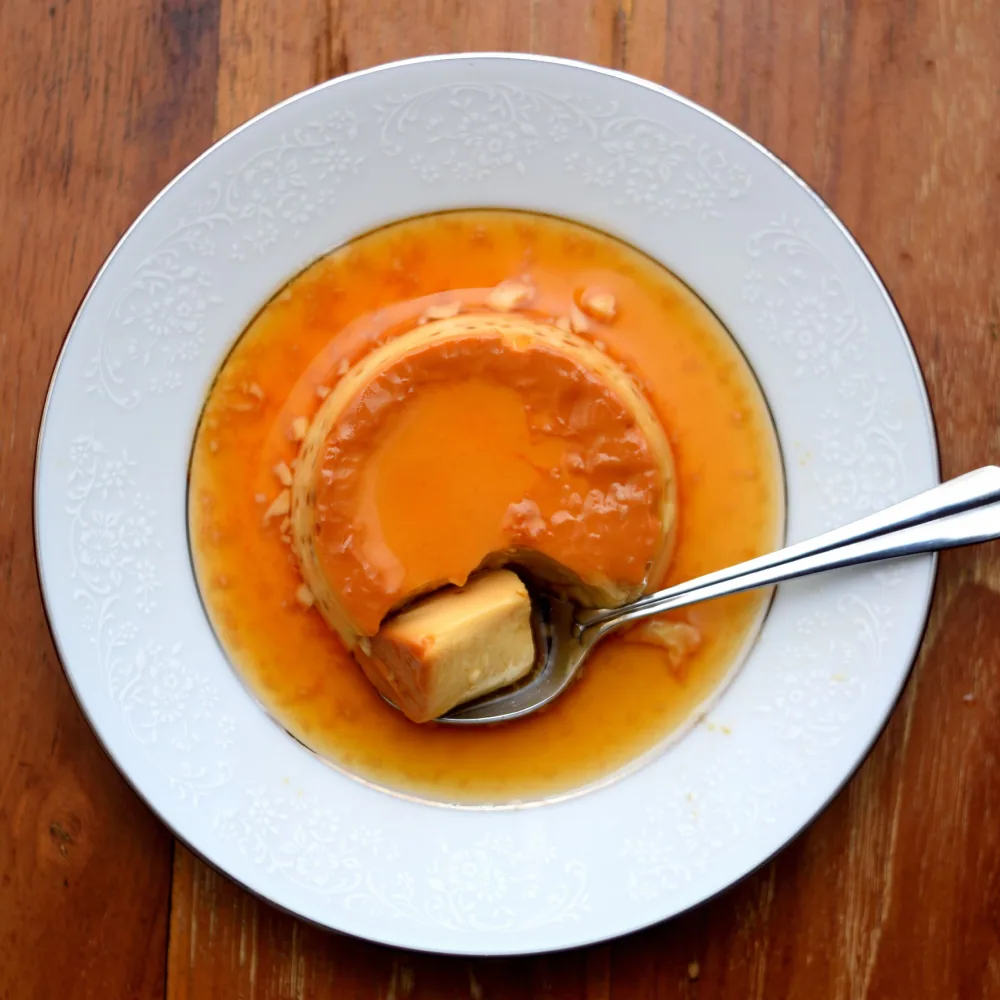
Leche Flan
A dense, silky caramel custard of egg yolks and condensed milk, a Spanish inheritance on every fiesta table.

Ube Halaya
Purple yam cooked down with butter and milk into a thick, sweet jam, the flavor behind all things ube.
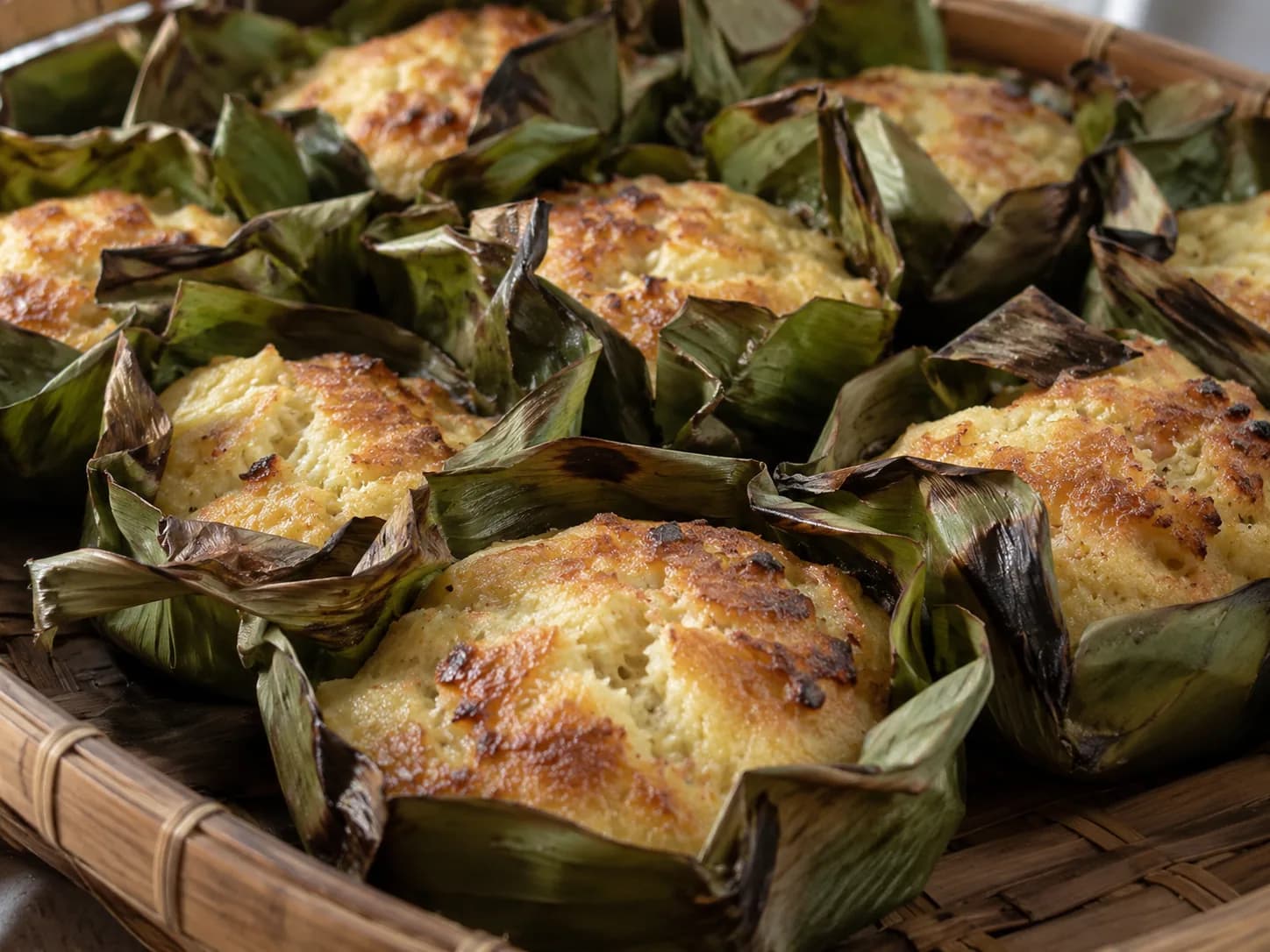
Bibingka
Rice cake baked in banana leaves with salted egg, sold outside churches after the Christmas dawn masses.

Turon
Banana and jackfruit wrapped in spring roll wrappers and fried in caramelized sugar, a favorite merienda.
Filipino food by region
Luzon
The north is known for Ilocano bagnet, pinakbet and longganisa; Pampanga for sisig and its reputation as the culinary capital; Batangas for bulalo; and Bicol for laing and anything cooked in coconut milk with chili.
Visayas
The central islands cook with fresh seafood and a lighter, often sweeter hand: chicken inasal from Bacolod, kinilaw, and the pochero and batchoy of Iloilo.
Mindanao
In the south, turmeric, spices and coconut show the influence of Muslim and Southeast Asian neighbors, alongside the grilled fish and kinilaw of the coast.
How Filipinos eat
Rice with everything
A meal without rice hardly counts. Ulam is cooked to be eaten with it, which is why the sauces are salty and sour.
Merienda
The afternoon snack between lunch and dinner: turon, bibingka, puto or a plate of pancit.
A savory breakfast
Silog plates of garlic rice, egg and cured meat, or a bowl of rice porridge on a cool morning.
Feasts are shared
At fiestas everything comes out at once, and at a boodle fight it is laid on banana leaves and eaten by hand (kamayan).
Questions about Filipino food
What is the national dish of the Philippines?
There is no official one, but adobo is the dish most Filipinos would name: meat braised in vinegar, soy sauce, garlic and bay leaves. Sinigang and lechon are close behind.
What are the most popular Filipino foods?
Adobo, sinigang, lechon, pancit, lumpia, sisig, kare-kare and halo-halo are the dishes most people meet first, and all of them are in this guide.
Is Filipino food spicy?
Mostly not. Filipino food is sour, salty and savory rather than hot, and chili usually sits on the side. Bicol, home of laing, is the exception.
What influenced Filipino cuisine?
Austronesian cooking first, then Chinese traders, more than 300 years of Spanish rule and the American period. Each left dishes and ingredients that are now thoroughly Filipino.
What do Filipinos eat for breakfast?
Often a silog: garlic fried rice (sinangag) and a fried egg (itlog) with a cured meat such as tapa, tocino or longganisa. Rice porridge and pandesal bread rolls are common too.
More guides
All guides16 dishes
Filipino desserts
Halo-halo, leche flan, ube and the rice cakes called kakanin: 16 sweets and when they're eaten.
10 dishes
Filipino breakfast
The silog plate, cured meats, fried fish and rice porridge: 10 ways Filipinos start the day.
14 dishes
Filipino soups
Sour sinigang, gingery tinola, rich bulalo and more: 14 soups and how they're eaten.