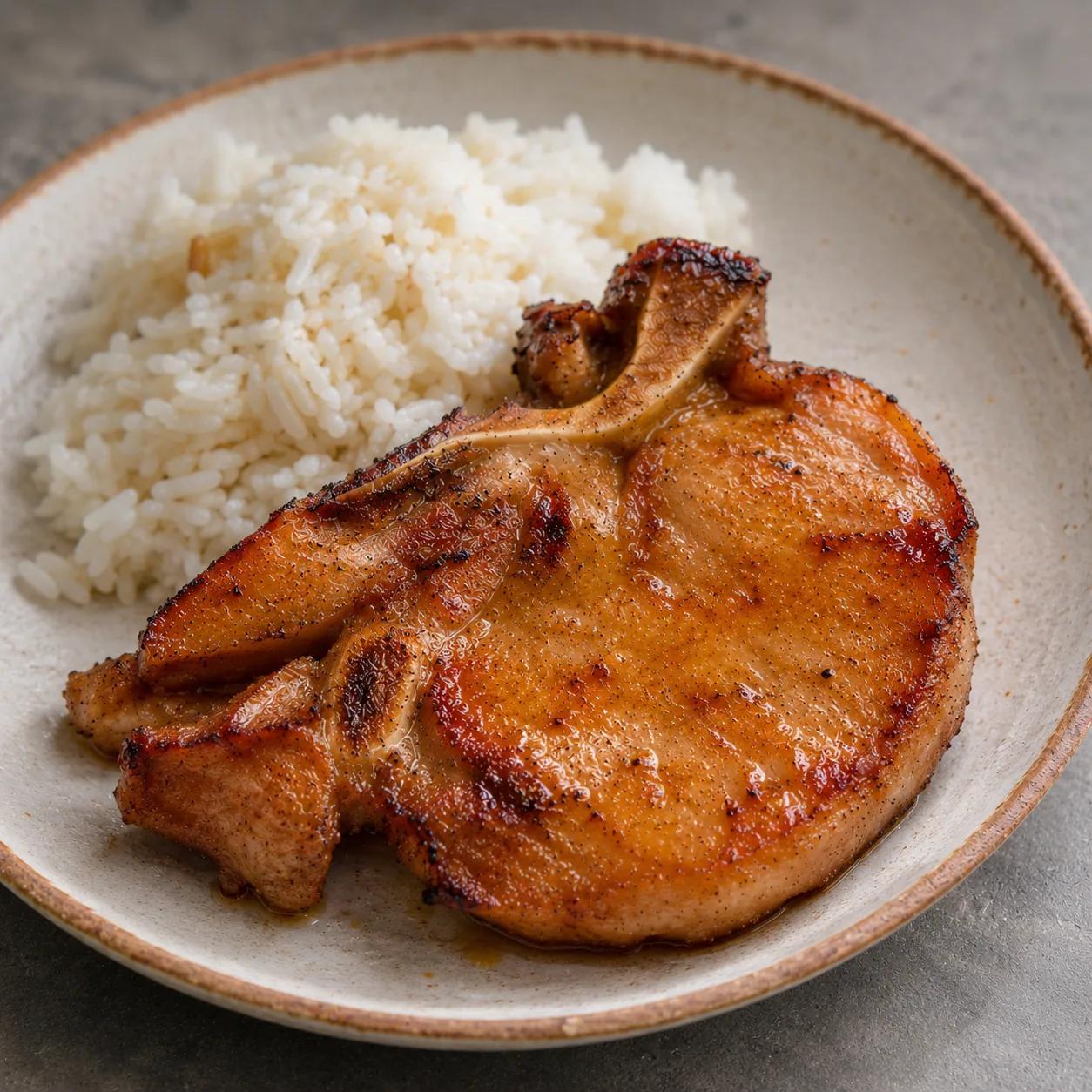
Pork Adobo: The Classic Braise
Adobo is the dish most Filipinos would name as the national favorite: meat braised in vinegar, soy sauce, garlic and bay leaf until it is tender and lacquered with sauce. Pork belly gives it richness, and a final reduction makes the sauce cling. Every household has its own ratio of sour to salty.
About Pork Adobo
Pork adobo is the pork version of the dish many Filipinos consider the national favorite. Pork belly is braised in vinegar, soy sauce, garlic, bay leaves and peppercorns until tender, then reduced so the sauce clings to the meat. The name comes from the Spanish word adobar, to marinate, but the method predates Spanish contact and is a Filipino preservation technique.
Pork adobo is forgiving and gets better with time. The vinegar mellows as it cooks, the fat melts into the sauce and the pork absorbs everything. Many families fry the cooked pork briefly before returning it to the sauce for a caramelized edge, and nearly everyone agrees it tastes best the day after cooking.
Ingredient notes
- Pork belly: its fat gives the sauce body. Use shoulder for a leaner version.
- Cane vinegar: milder than distilled vinegar, with a softer tang that suits adobo.
- Soy sauce: adds salt and color; use a regular, not low-sodium, soy sauce.
- Garlic: use plenty and crush it so it releases flavor into the sauce.
Tips for the best Pork Adobo
- Do not stir the vinegar at first. Let it come to a boil so the harsh edge cooks off.
- Simmer low and slow. Tender pork takes about 45 minutes.
- Reduce the sauce. Boiling it uncovered after the pork is tender makes it glossy.
- Brown the pork. A quick fry gives crisp edges and a deeper flavor.
- Rest the dish. Adobo tastes better after a few hours or overnight.
What to serve with Pork Adobo
Serve pork adobo with steamed rice and, if you like, a fried egg. A simple vegetable side like blanched green beans balances the richness.
Variations and substitutions
- Chicken and pork adobo: use both meats in the same pot.
- Adobo sa gata: finish with coconut milk, as in Chicken Adobo sa Gata.
- Dry adobo: simmer until the sauce evaporates and fry the meat until crisp.
- With potatoes: add halved potatoes for the last 15 minutes.
Storing and reheating
Refrigerate for up to 4 days; the flavor improves. Reheat gently with a splash of water. Adobo freezes well for 2 months.
Frequently asked questions
Why is my adobo too sour?
Add a little sugar or water and simmer longer. Let the vinegar boil without stirring next time.
How long does pork adobo take?
About 1 hour 15 minutes including marinating.
Is adobo supposed to be dry or saucy?
Both are traditional. Reduce the sauce for a drier adobo or leave it saucy for rice.
Why is it called adobo?
The Spanish word adobar means to marinate, though the cooking method is native to the Philippines.