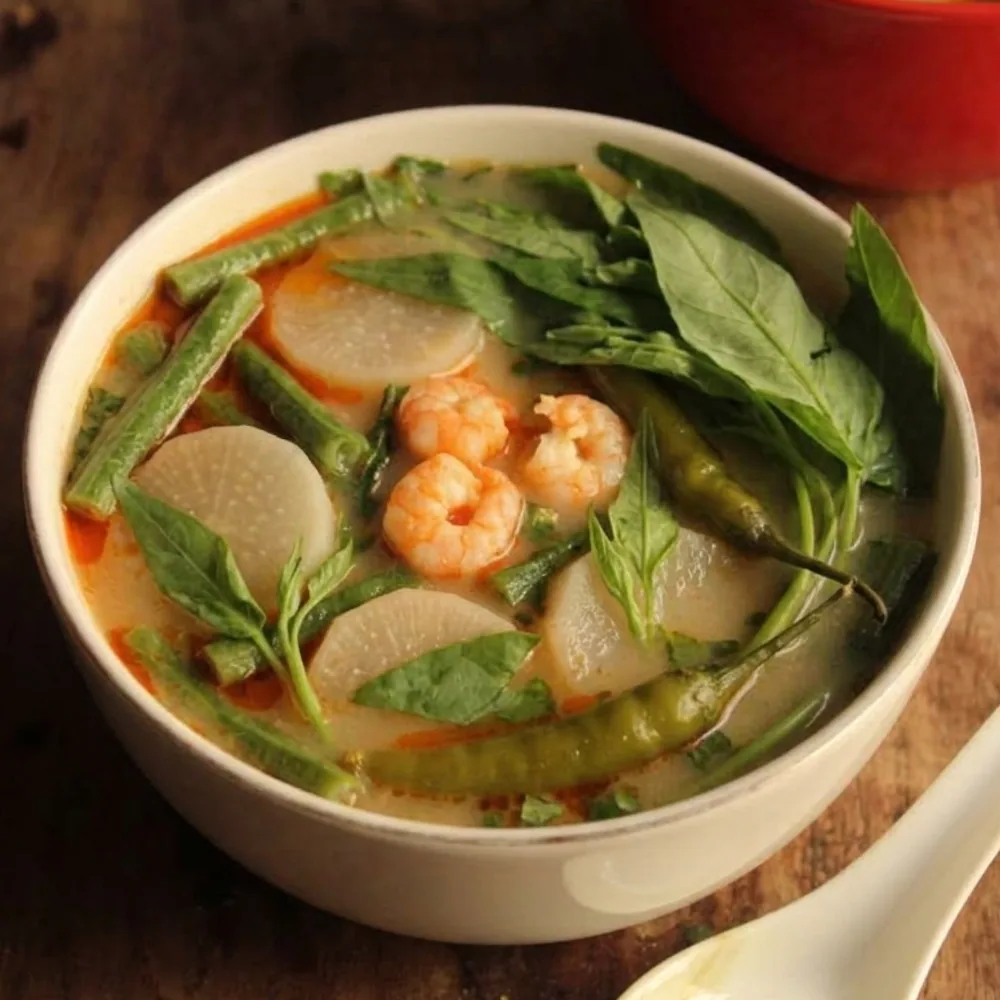
Kinilaw na Tanigue: Filipino Fish Ceviche
Kinilaw is fresh raw fish cured briefly in vinegar and citrus with ginger, onion and chilies. Tanigue (Spanish mackerel) is traditional, but any very fresh firm fish works.
About Kinilaw na Tanigue
Kinilaw is raw fish cured in vinegar and citrus with ginger, onion and chili, a Filipino relative of ceviche. It is believed to predate Spanish contact and is common in the Visayas and Mindanao. Tanigue (Spanish mackerel) is traditional, but tuna and other very fresh firm fish also work. It is served cold as an appetizer.
The vinegar and citrus firm the fish slightly and turn it opaque, but unlike many ceviches, kinilaw is eaten after a short cure so the fish keeps a fresh texture. Ginger, onion and chilies add heat and crunch, and some versions add coconut milk for a creamy, mild flavor.
Ingredient notes
- Very fresh tanigue or tuna: the fish is eaten raw, so freshness is essential.
- Cane vinegar: the traditional curing liquid.
- Calamansi or lime: adds brightness.
- Ginger, onion and chili: the aromatic base.
Tips for the best Kinilaw na Tanigue
- Buy sushi-grade or very fresh fish. From a trusted source.
- Rinse the fish in vinegar first. It removes fishiness.
- Cure briefly. 10 to 15 minutes is enough.
- Keep it cold. Chill before serving.
- Season at the end. Adjust salt and chili.
What to serve with Kinilaw na Tanigue
Serve as an appetizer, as a snack with drinks or with steamed rice.
Variations and substitutions
- With coconut milk: add a little gata for a mellow version.
- Tuna kinilaw: use yellowfin tuna.
- Shrimp kinilaw: use fresh shrimp.
- Spicier: add more chilies.
Storing and reheating
Eat the same day. Do not store raw fish for long.
Frequently asked questions
Is kinilaw safe?
Only with very fresh fish from a trusted seller, kept cold.
What is the difference from ceviche?
Kinilaw uses vinegar as well as citrus and a short cure.
How long should it cure?
10 to 15 minutes.
Can I use frozen fish?
Use previously frozen sushi-grade fish.