Guide
A guide to Filipino desserts.
Coconut, sticky rice, ube and condensed milk: the 16 Filipino desserts and snacks worth making, from fiesta custards to the rice cakes sold at every market.
By Roberto Sabanal · Updated
What makes a Filipino dessert?
Filipino desserts are built on what grows in the islands: rice, coconut, sugarcane, bananas and root crops like ube and cassava. Many are less sweet than Western desserts, and many aren't eaten after dinner at all but as merienda, the afternoon snack.
They fall roughly into two families. Kakanin are native cakes of sticky rice or root crops, steamed or baked and often wrapped in banana leaves. Then there are the sweets that arrived with the Spanish and the Americans, like leche flan and buko pie, made with eggs, milk and flour and now just as Filipino.
Key ingredients
Most Filipino sweets come from a short list of ingredients.
Glutinous rice (malagkit)
Sticky rice, whole or ground into flour, gives kakanin their chew. It's the base of biko, sapin-sapin, kalamay and bibingka.
Coconut
Coconut milk and cream for richness, young coconut (buko) for texture, and latik, the toasted coconut curds spooned on top.
Ube and cassava
Purple yam gives ube halaya its color and flavor; grated cassava makes dense, chewy cakes like puto lanson and alupi.
Muscovado and condensed milk
Dark muscovado sugar for the old rice cakes, condensed and evaporated milk for the custards and halo-halo.
Filipino desserts to try
16 desserts and snacks, grouped by where and when they turn up. Each one links to a full recipe with ingredients, timed steps and calories per serving.
Fiesta favorites
The sweets that come out for birthdays, Christmas and summer.
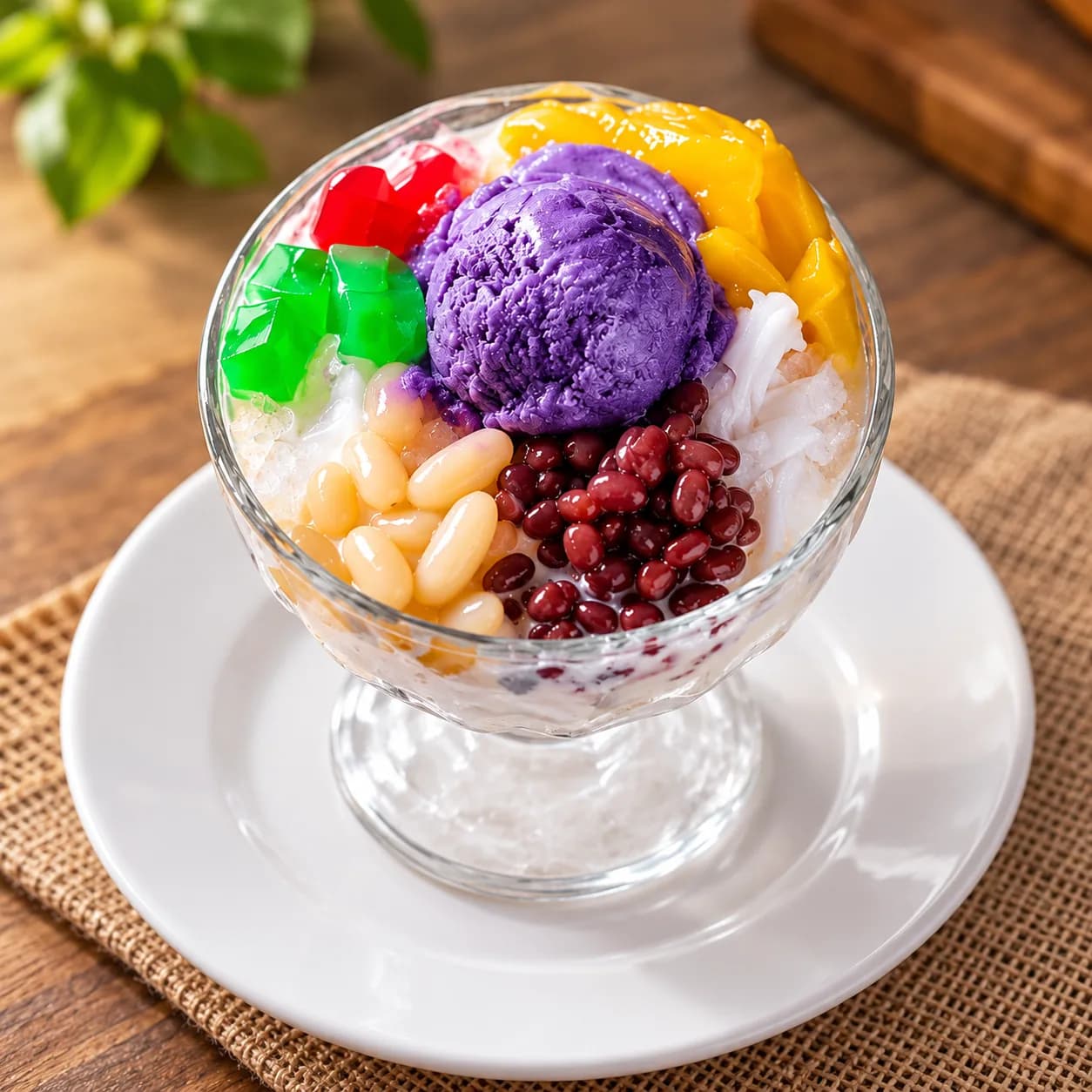
Halo-Halo
Shaved ice layered with sweet beans, jellies, fruit, ube and leche flan under evaporated milk. Mix it all before eating.
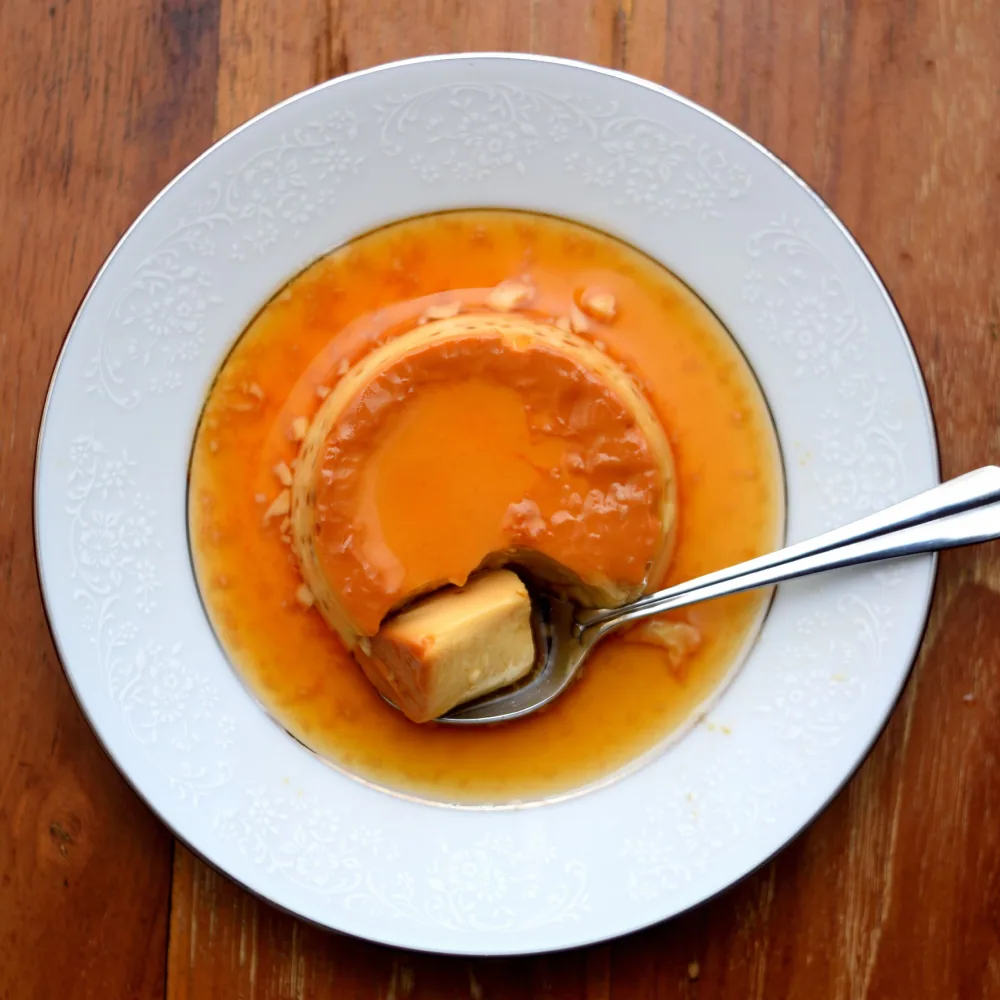
Leche Flan
A dense, silky caramel custard of egg yolks and condensed milk, essential at Christmas and every celebration.

Ube Halaya
Purple yam cooked with milk and butter until thick and glossy, eaten on its own or folded into halo-halo and cakes.
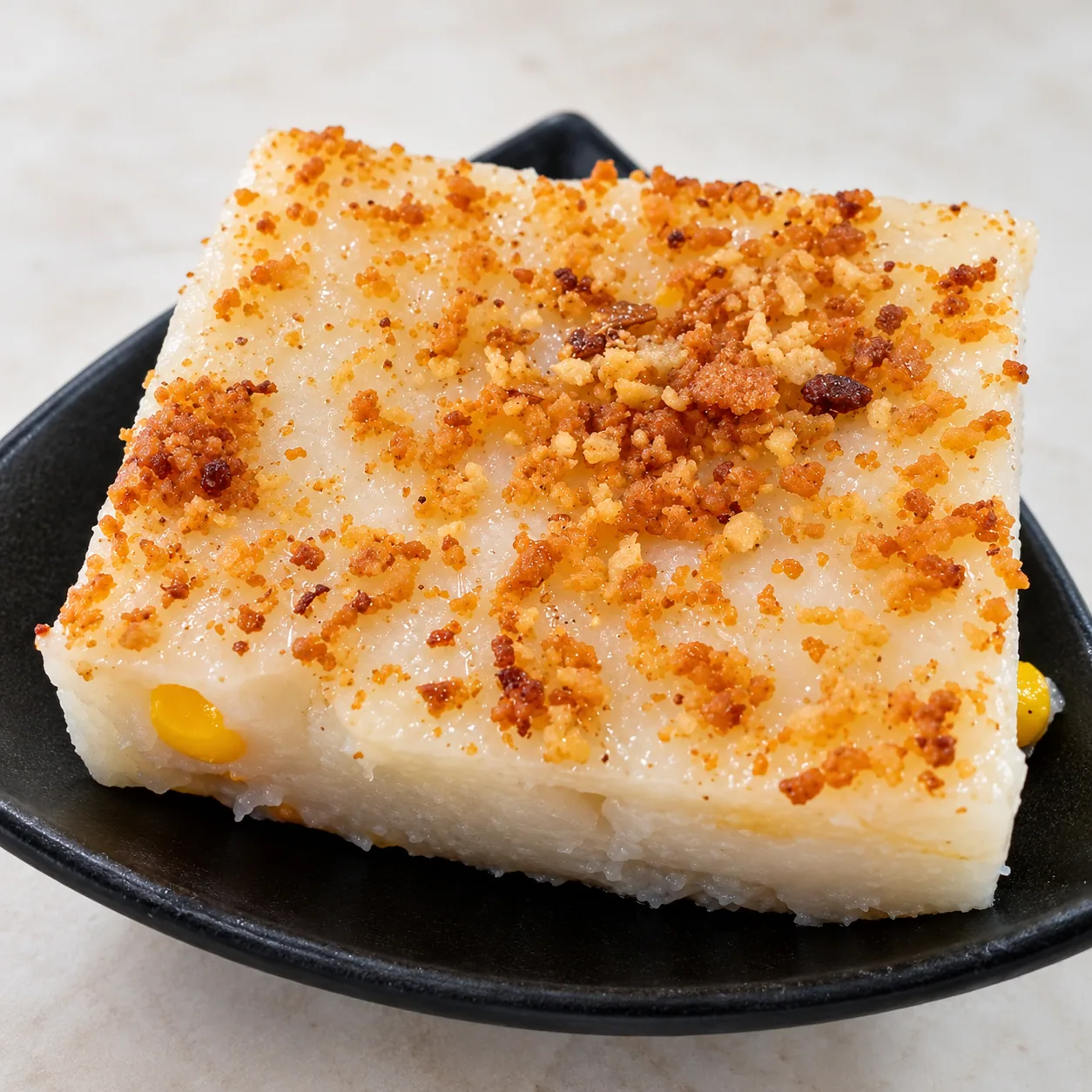
Maja Blanca
A smooth coconut pudding set with cornstarch, studded with corn and topped with toasted coconut.

Buko Pie
A flaky pie filled with young coconut custard, from Laguna and the classic pasalubong, the gift brought home from a trip.
Kakanin: rice cakes
Native cakes of sticky rice and rice flour, sold at markets and made for merienda.
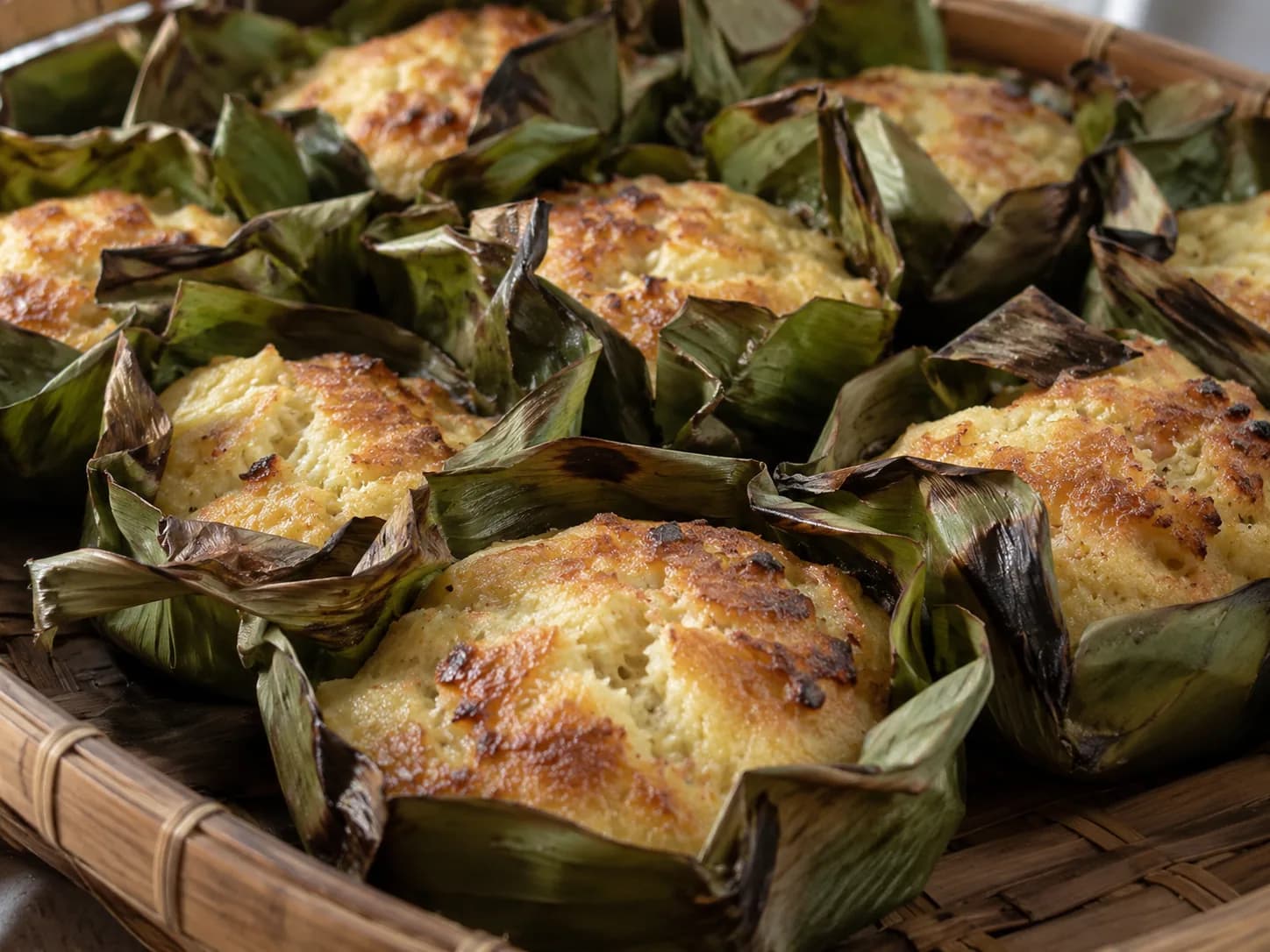
Bibingka
Rice cake baked in banana leaves with salted egg and cheese, sold outside churches after the Christmas dawn masses.
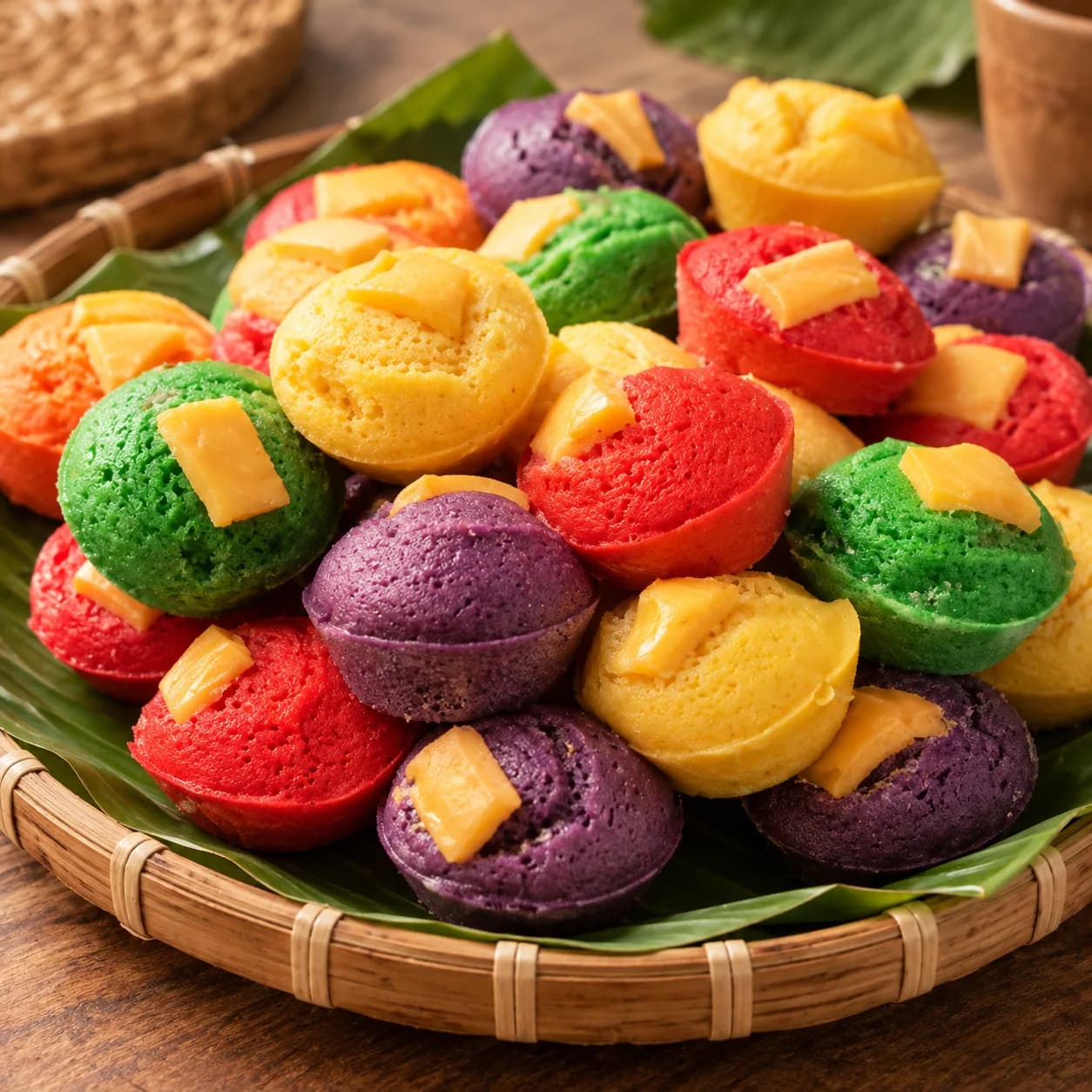
Puto
Fluffy, mildly sweet steamed rice cakes, often topped with cheese, eaten as a snack or with dinuguan.
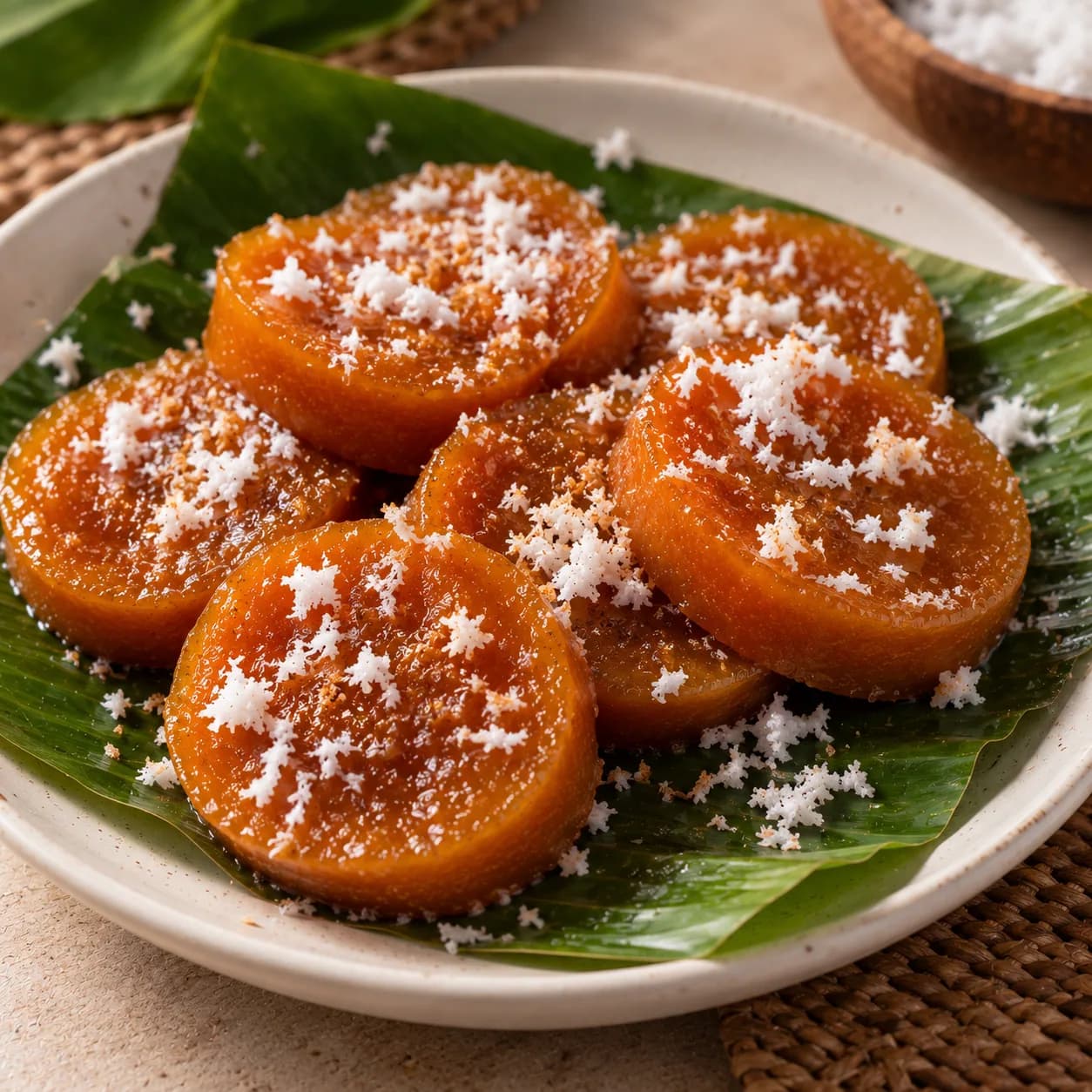
Kutsinta
Chewy, jelly-like steamed cakes colored with annatto, served with grated coconut.
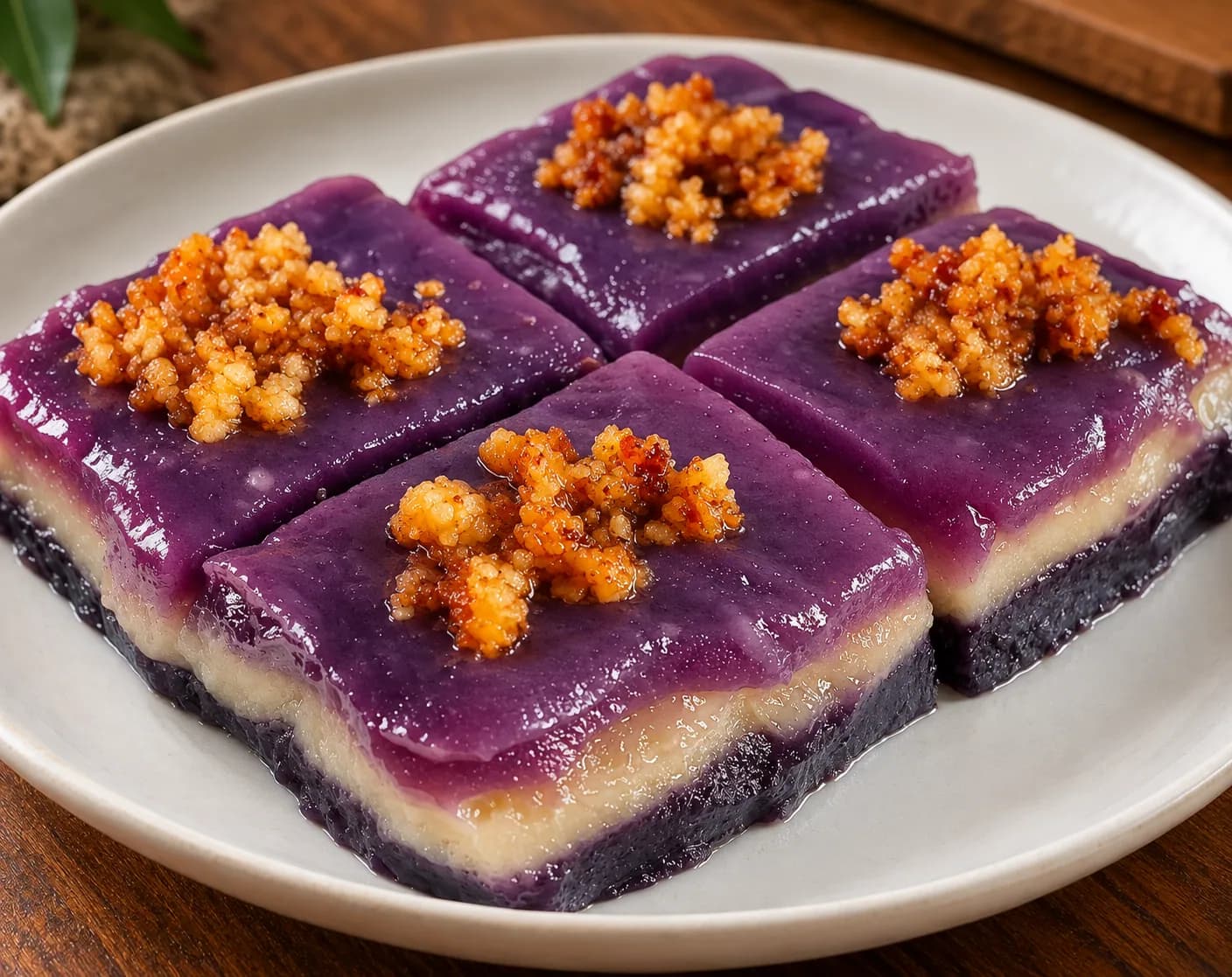
Sapin-Sapin
Layers of coconut sticky rice flavored with ube, jackfruit and pandan, each steamed before the next goes on.

Biko
Sticky rice cooked in coconut milk and brown sugar and topped with latik. In Iloilo it's called suman.
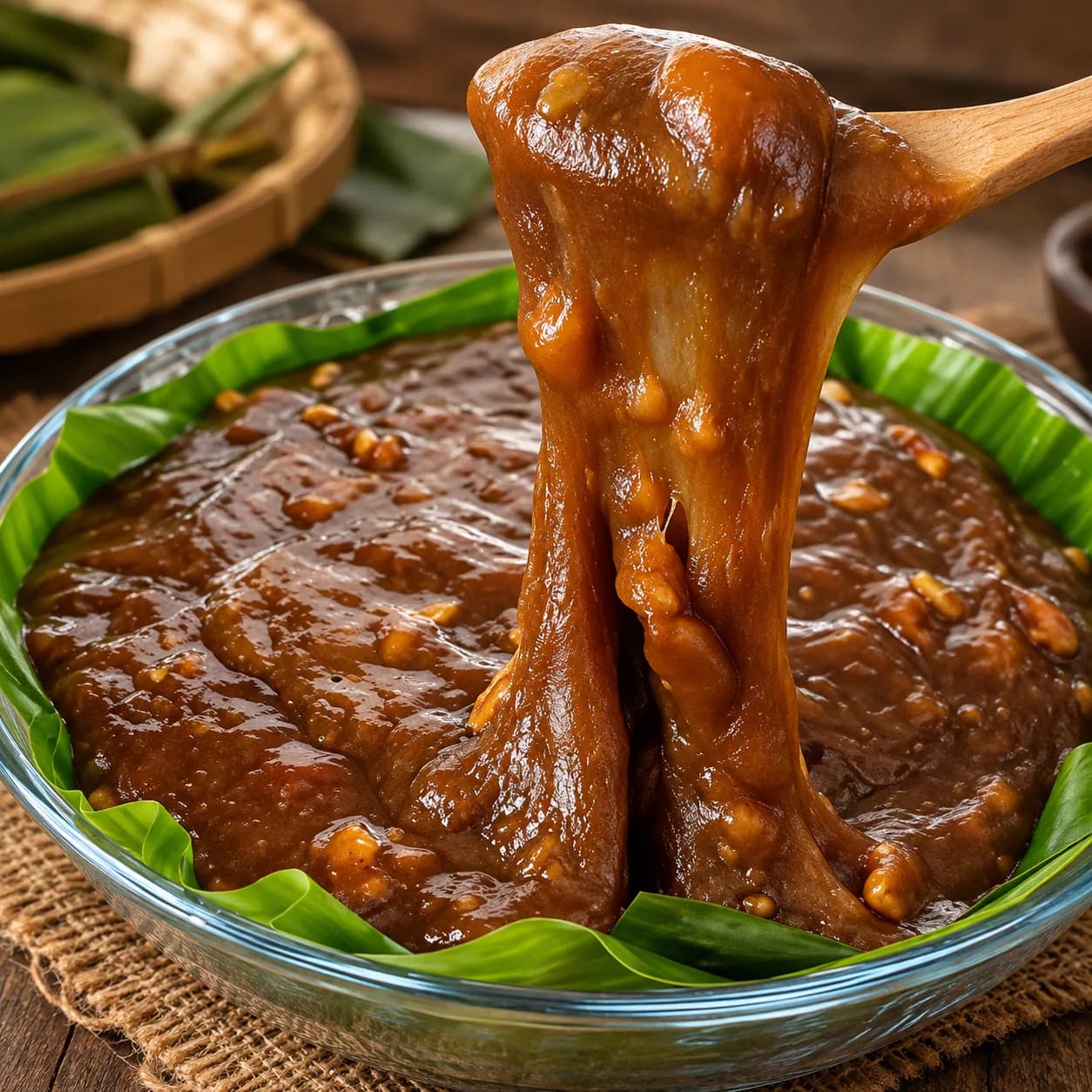
Kalamay Hati
Glutinous rice flour, coconut milk and muscovado stirred for an hour into a dark, glossy cake.
From the Western Visayas
Ilonggo kakanin from Iloilo and Negros, many of them wrapped in leaves.

Ibus
Sticky rice with coconut milk and salt, packed into coils of young palm leaves and steamed until chewy.
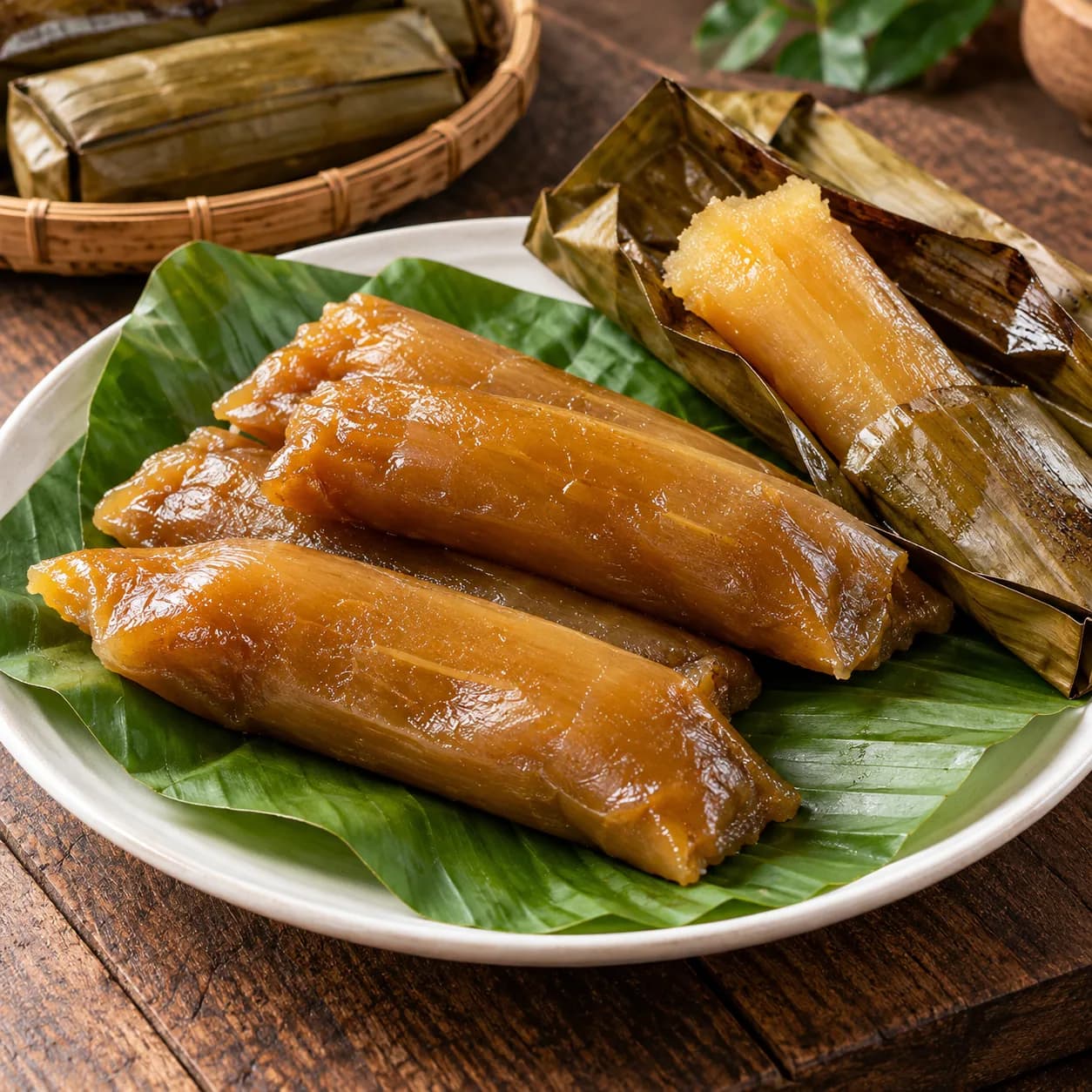
Alupi nga Kamoteng Kahoy
Grated cassava, young coconut and brown sugar wrapped in banana leaves and steamed until dense and chewy.
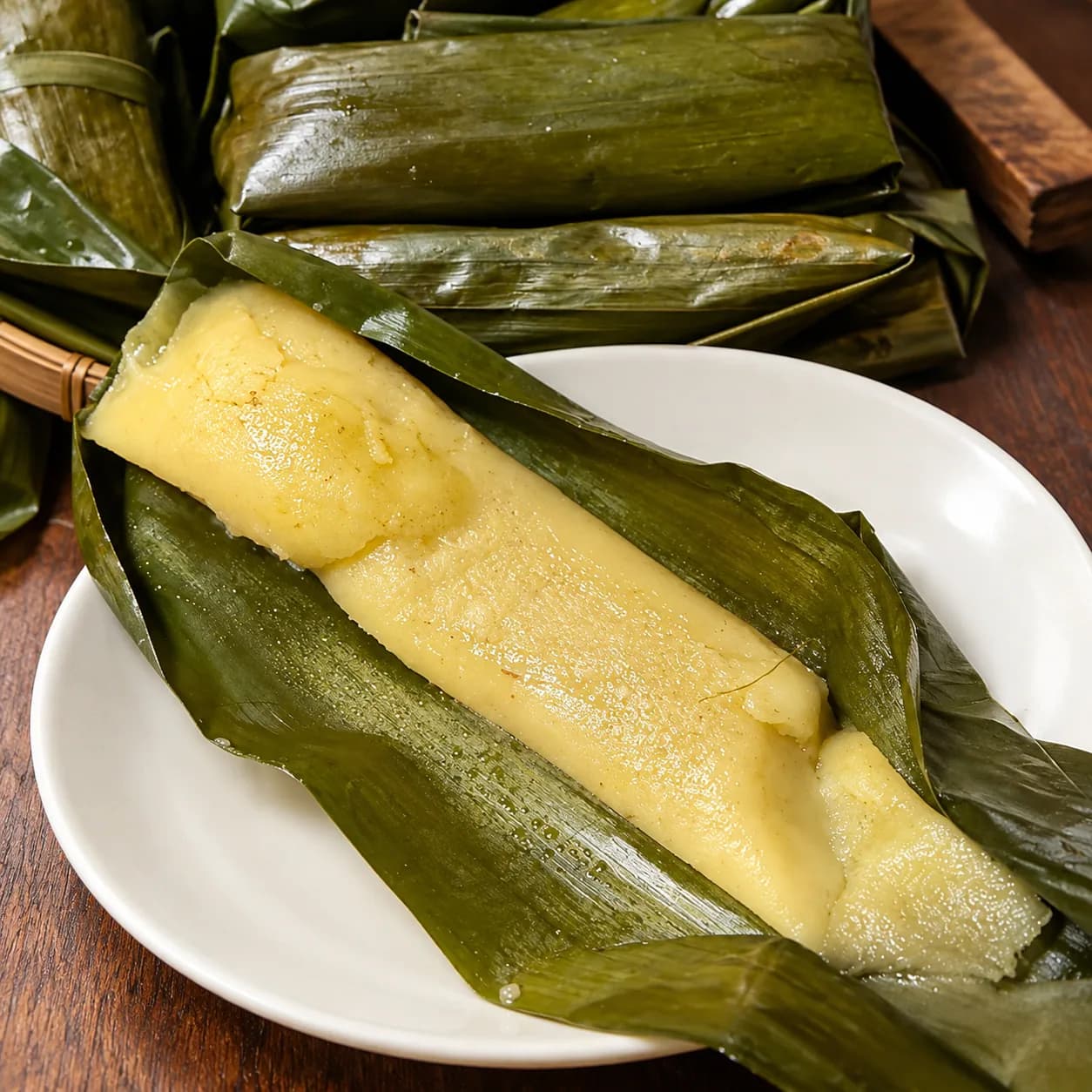
Alupi nga Pilit
The sticky rice version of alupi: rice flour, young coconut and coconut cream steamed in banana leaves.
Street snacks
Fried, caramelized and sold on a stick or in a paper bag.

Turon
Banana and jackfruit in a spring roll wrapper, fried in brown sugar until the sugar turns to caramel.
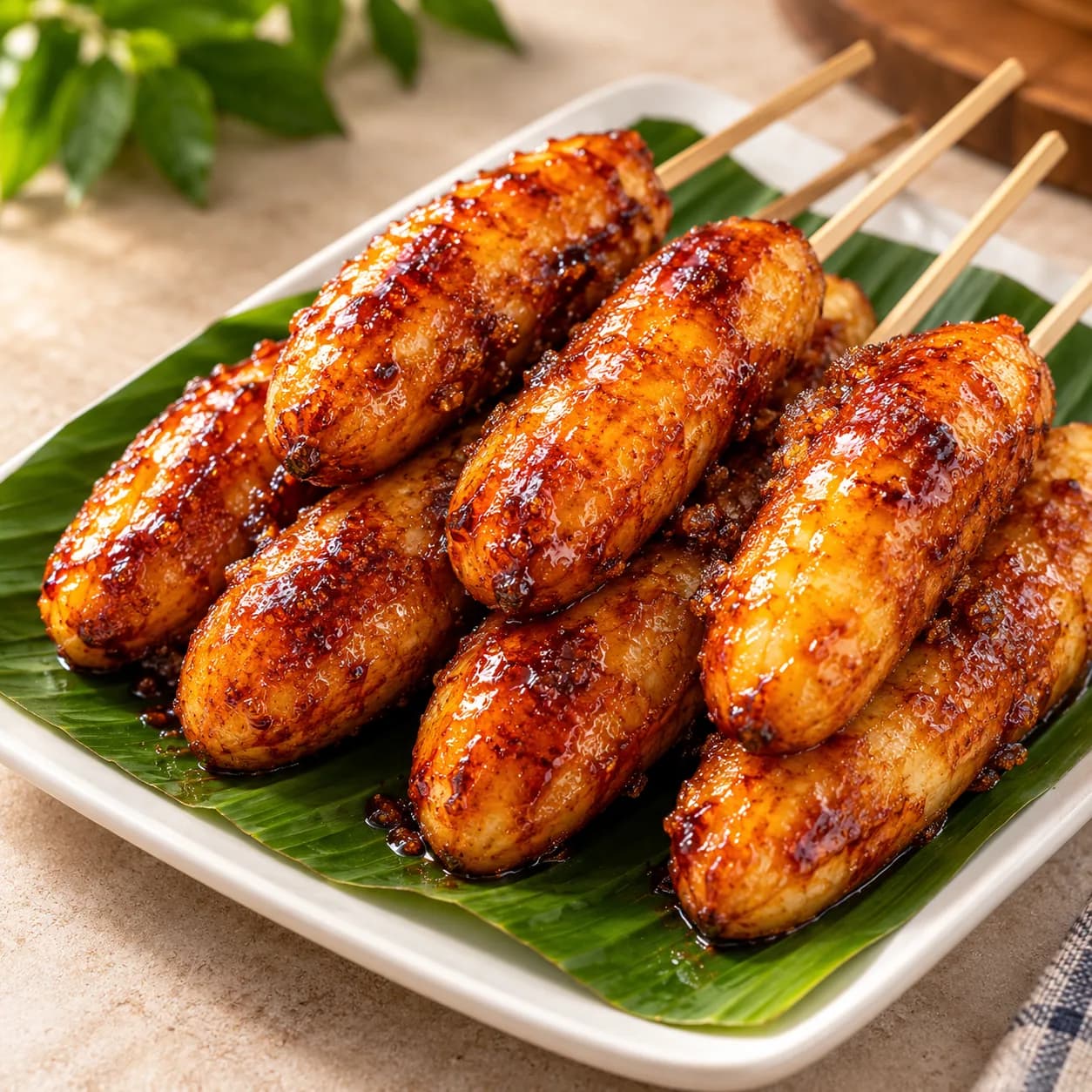
Banana Cue
Saba bananas deep-fried in brown sugar and served on a skewer, a classic afternoon street snack.
When Filipino desserts are eaten
Merienda
The afternoon snack is where most kakanin belong: a slice of biko or a few puto with coffee or tea in the middle of the afternoon.
Christmas
Bibingka after the dawn masses of Simbang Gabi, and leche flan and ube halaya on the Noche Buena table on Christmas Eve.
Fiestas and birthdays
Trays of leche flan, maja blanca and sapin-sapin, made in quantity and shared.
Summer
Halo-halo season, when the heat makes shaved ice the only sensible dessert.
Questions about Filipino desserts
What is the most popular Filipino dessert?
Halo-halo and leche flan are the best known. Halo-halo is the summer favorite, and leche flan is on almost every celebration table.
What is kakanin?
Kakanin are native Filipino cakes made from glutinous rice, rice flour or root crops like cassava, usually with coconut and sugar. Biko, puto, kutsinta and sapin-sapin are all kakanin.
Why are so many Filipino desserts purple?
That's ube, purple yam. It has a mild, nutty, vanilla-like flavor, and its color carries into jams, cakes, ice cream and halo-halo.
Are Filipino desserts very sweet?
Custards and halo-halo can be, thanks to condensed milk. Many rice cakes are milder, and some, like ibus and puto, are only lightly sweet.
More guides
All guides
34 dishes
Filipino food
What Filipino cuisine is, its flavors, history and regions, and 34 classic dishes to try.

10 dishes
Filipino breakfast
The silog plate, cured meats, fried fish and rice porridge: 10 ways Filipinos start the day.

14 dishes
Filipino soups
Sour sinigang, gingery tinola, rich bulalo and more: 14 soups and how they're eaten.