Guide
What we cook during kalag-kalag.
Sticky rice, coconut and muscovado: the 8 dishes Western Visayas cooks for kalag-kalag, and why they are made to be shared.
By Roberto Sabanal · Updated
What is kalag-kalag?
Kalag-kalag, from the Visayan word for “souls”, is the Hiligaynon name for Undas: All Saints' and All Souls' Day, on 1 and 2 November. Families visit the cemetery, clean and whitewash the graves, light candles and remember their dead.
Food is a big part of it. In Iloilo and Negros families cook together in the days before, and many stay at the cemetery through the night. The dishes are made in large amounts, to eat at the graveside and to share with relatives, neighbors and anyone who passes by.
What the kalag-kalag table has in common
The dishes differ from house to house, but they follow the same pattern.
Sticky rice (malagkit)
Glutinous rice, as grains, flour or toasted pinipig, is the base of almost everything: ibus, kalamay hati, alupi, biko and valenciana.
Coconut and muscovado
Coconut milk and cream, young coconut and dark muscovado sugar from the sugarlands of Negros and Panay give the dishes their richness and color.
Wrapped and steamed
Banana and palm leaves hold the rice cakes together and keep them for hours without refrigeration.
Made to share
These are labor-intensive dishes cooked by several hands and handed out freely, a tradition the Ilonggos call pag-ambit.
Dishes for kalag-kalag
8 dishes, each linked to a full recipe with ingredients, timed steps and calories per serving.
The centerpiece
The one savory dish on the table, and a meal in itself.
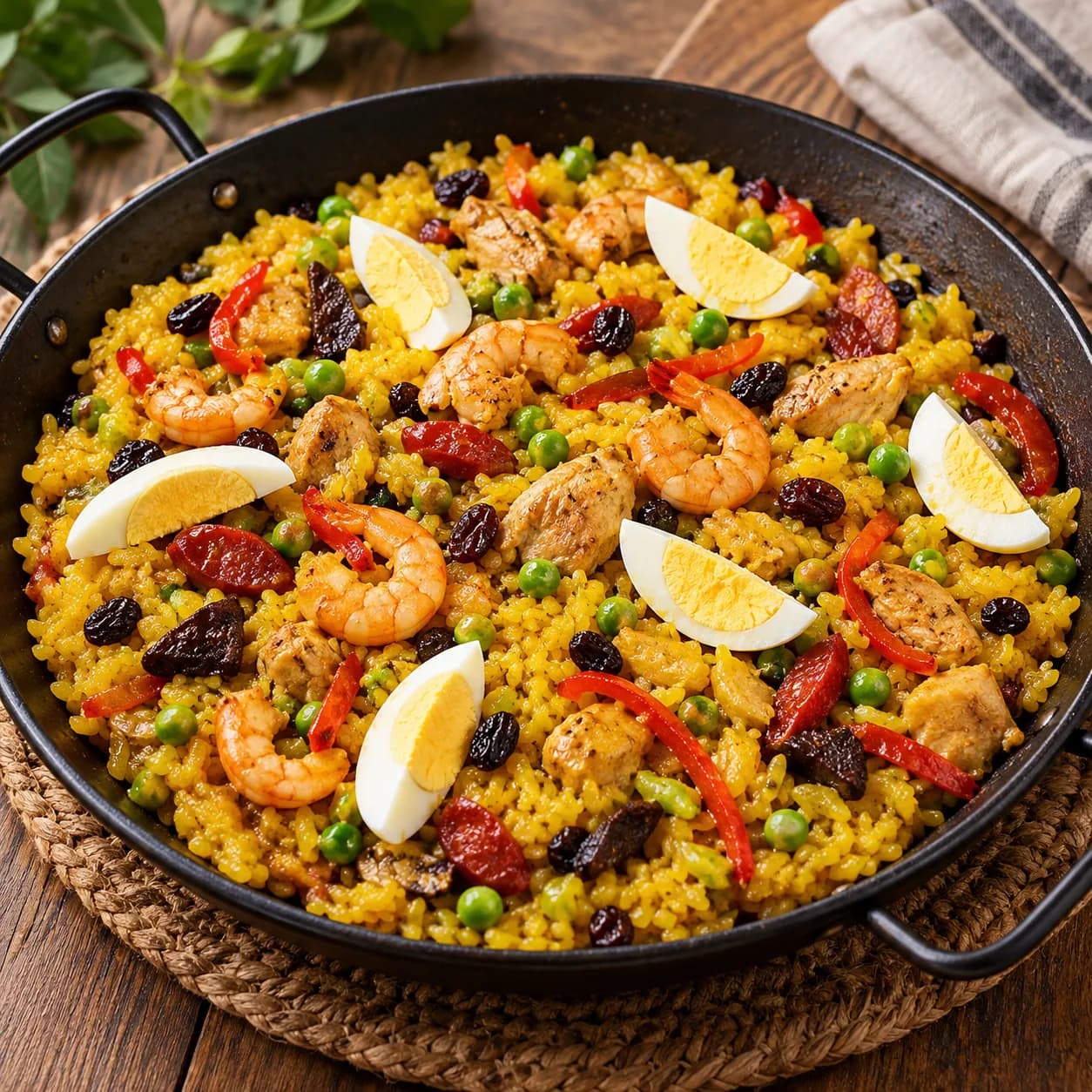
Valenciana
Glutinous rice cooked yellow with turmeric, mixed with pork, chicken, chorizo, bell peppers, peas and raisins, and topped with boiled egg. In Iloilo it is the star of Pista Minatay.
Steamed rice cakes
Sticky rice, coconut and sugar, wrapped in leaves.

Ibus
Sticky rice in coconut milk, packed into a coil of young palm leaf and steamed. Lightly salty, so it is eaten with muscovado sugar or ripe mango.
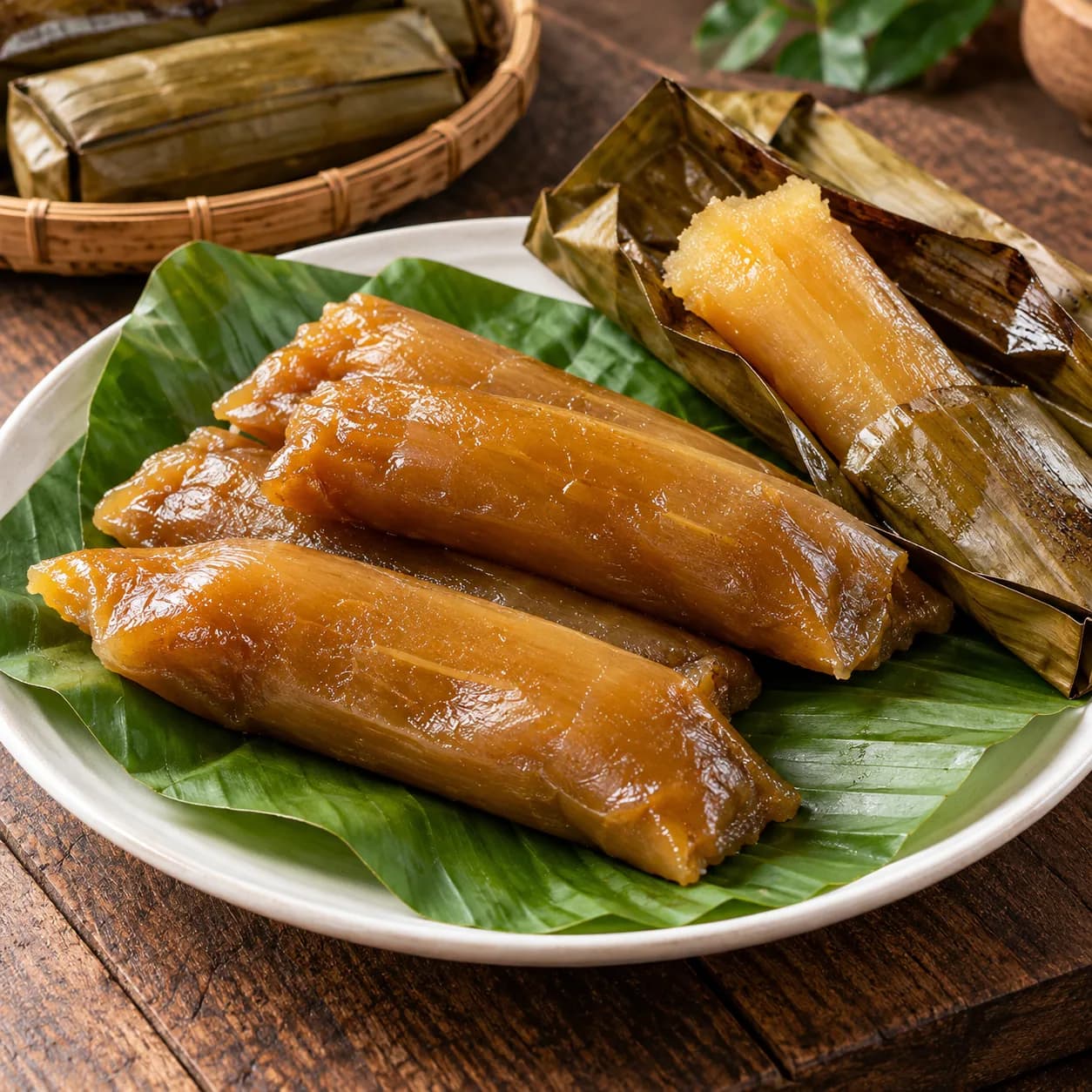
Alupi nga Kamoteng Kahoy
Grated cassava with young coconut, coconut cream and sugar, wrapped in banana leaves and steamed until dense and chewy.
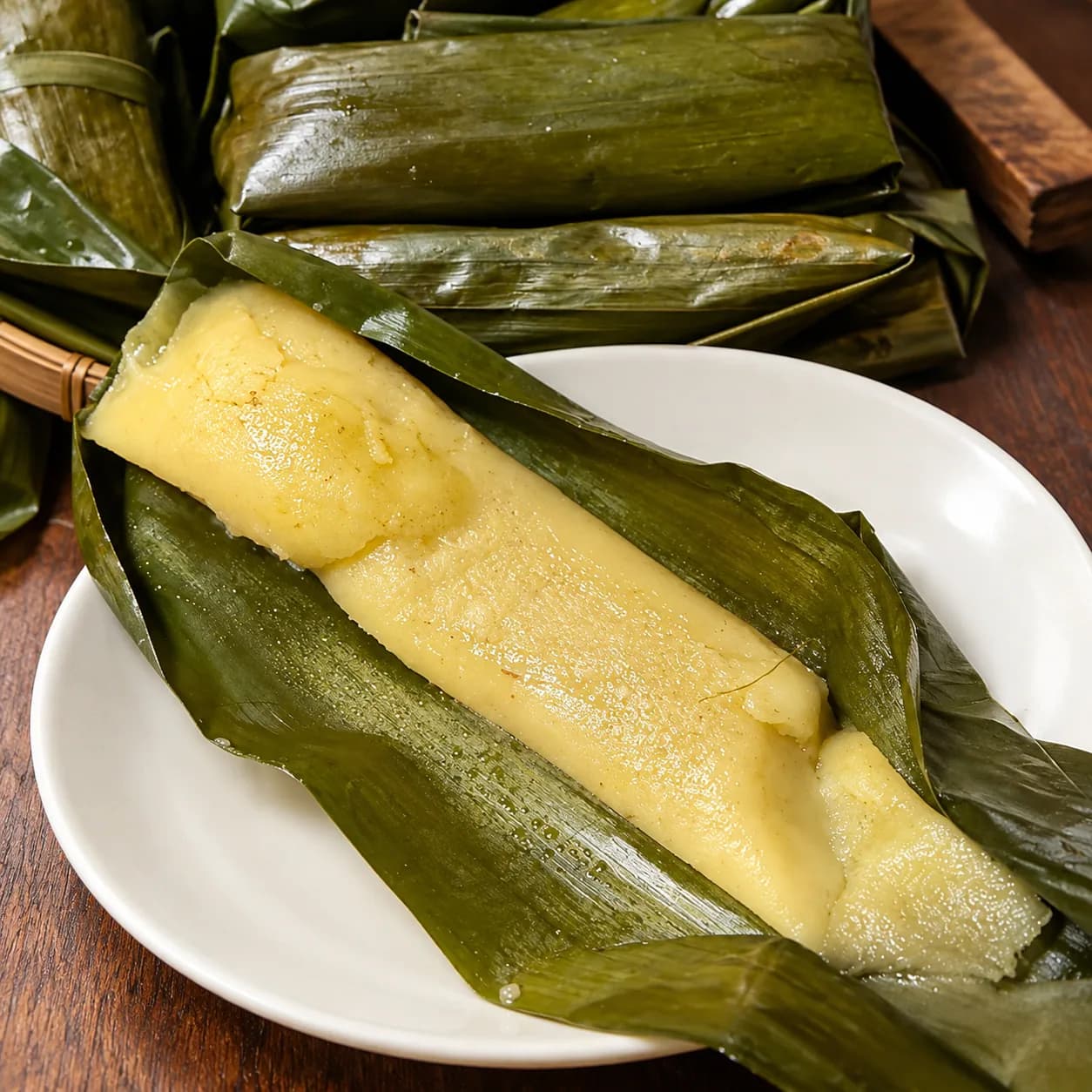
Alupi nga Pilit
The sticky rice version of alupi, made with glutinous rice flour: smoother, softer and stickier than the cassava one.

Biko
Sticky rice cooked in coconut milk and brown sugar, topped with toasted coconut curds. In Iloilo it is also called suman.
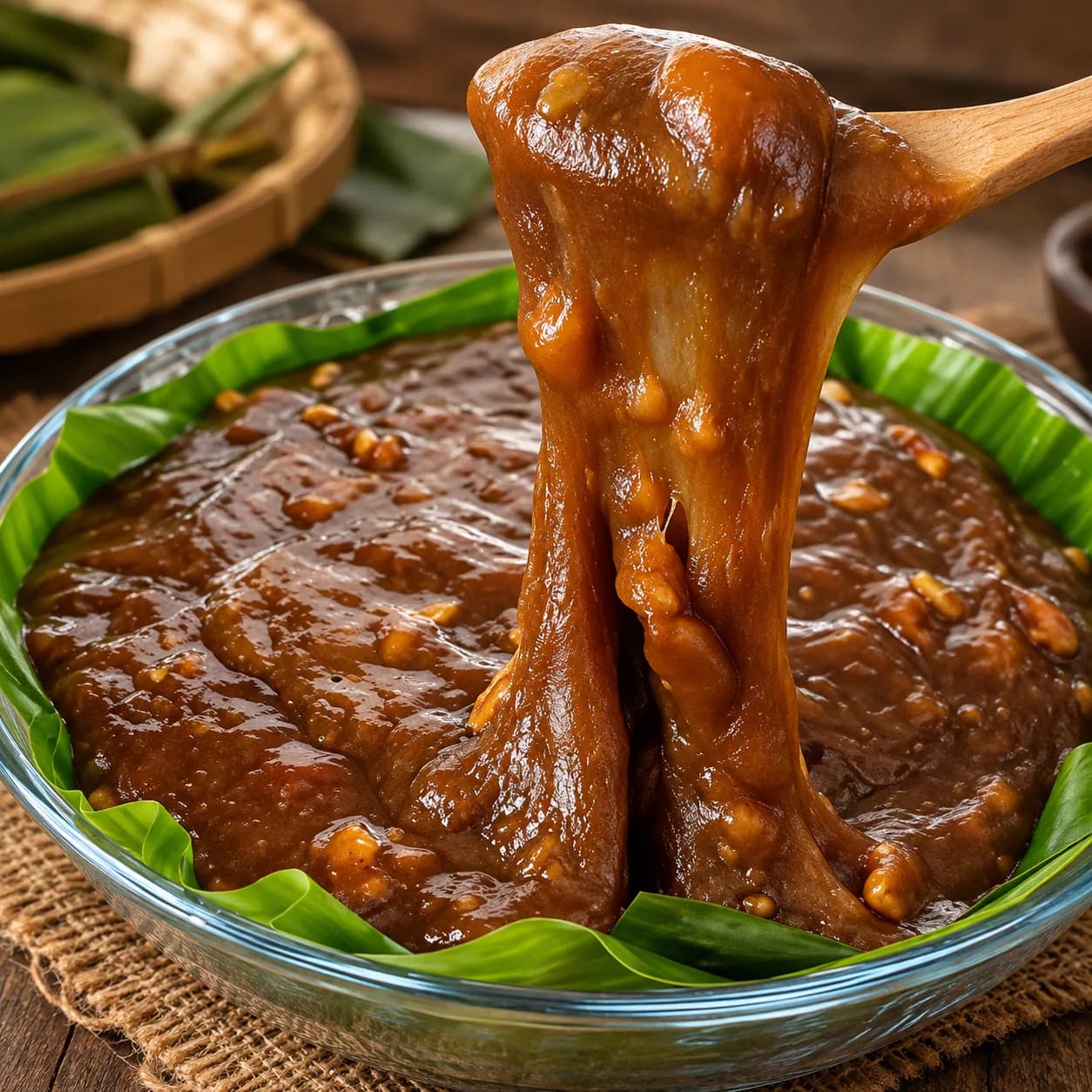
Kalamay Hati
A dark, glossy pudding of glutinous rice flour, coconut milk and muscovado, stirred for an hour and topped with latik.
Fried and shaped
Two more sweets made for the long wait at the cemetery.
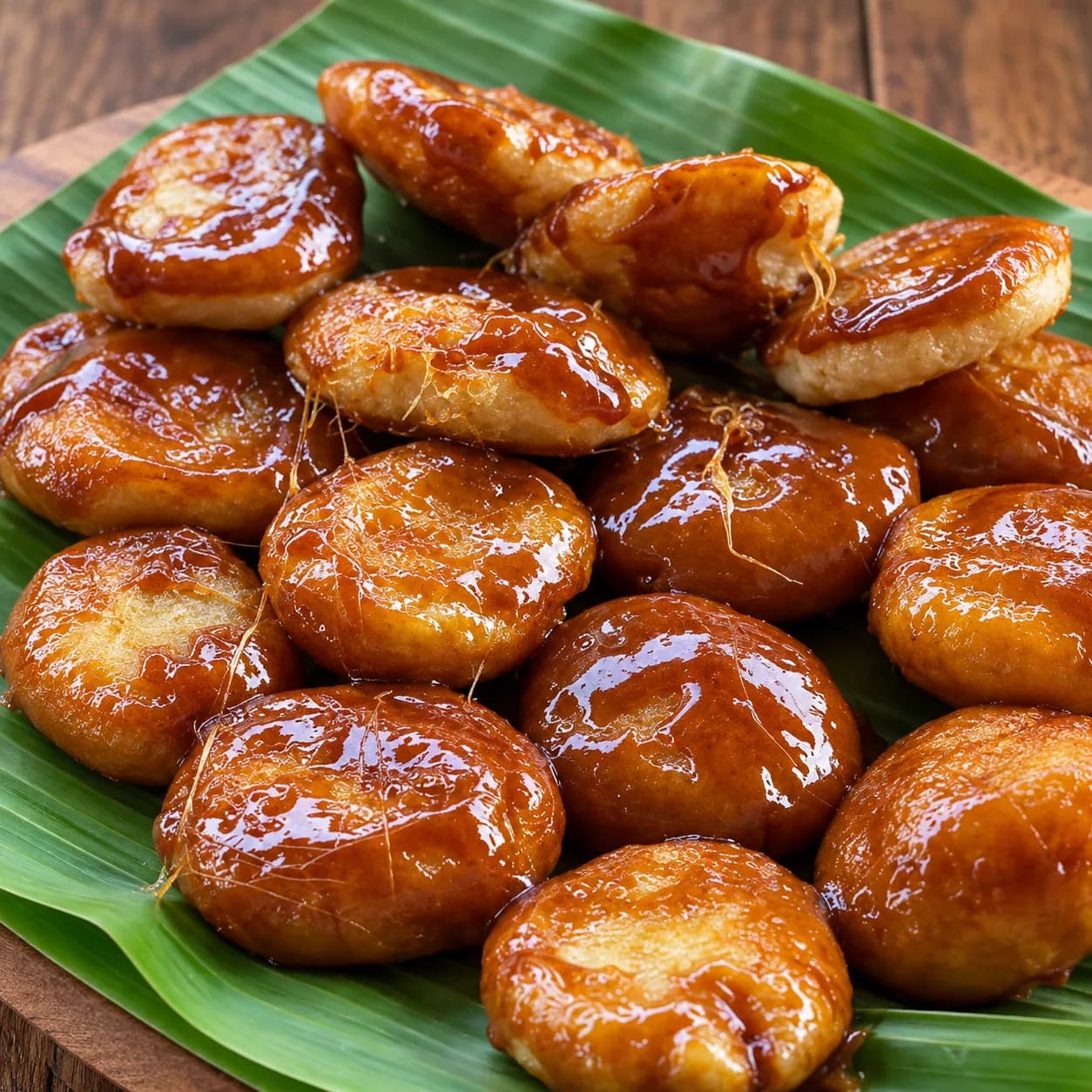
Bitso-bitso
Twisted ropes of glutinous rice dough, fried and tossed in a muscovado syrup that dries into a crackly, bittersweet shell.
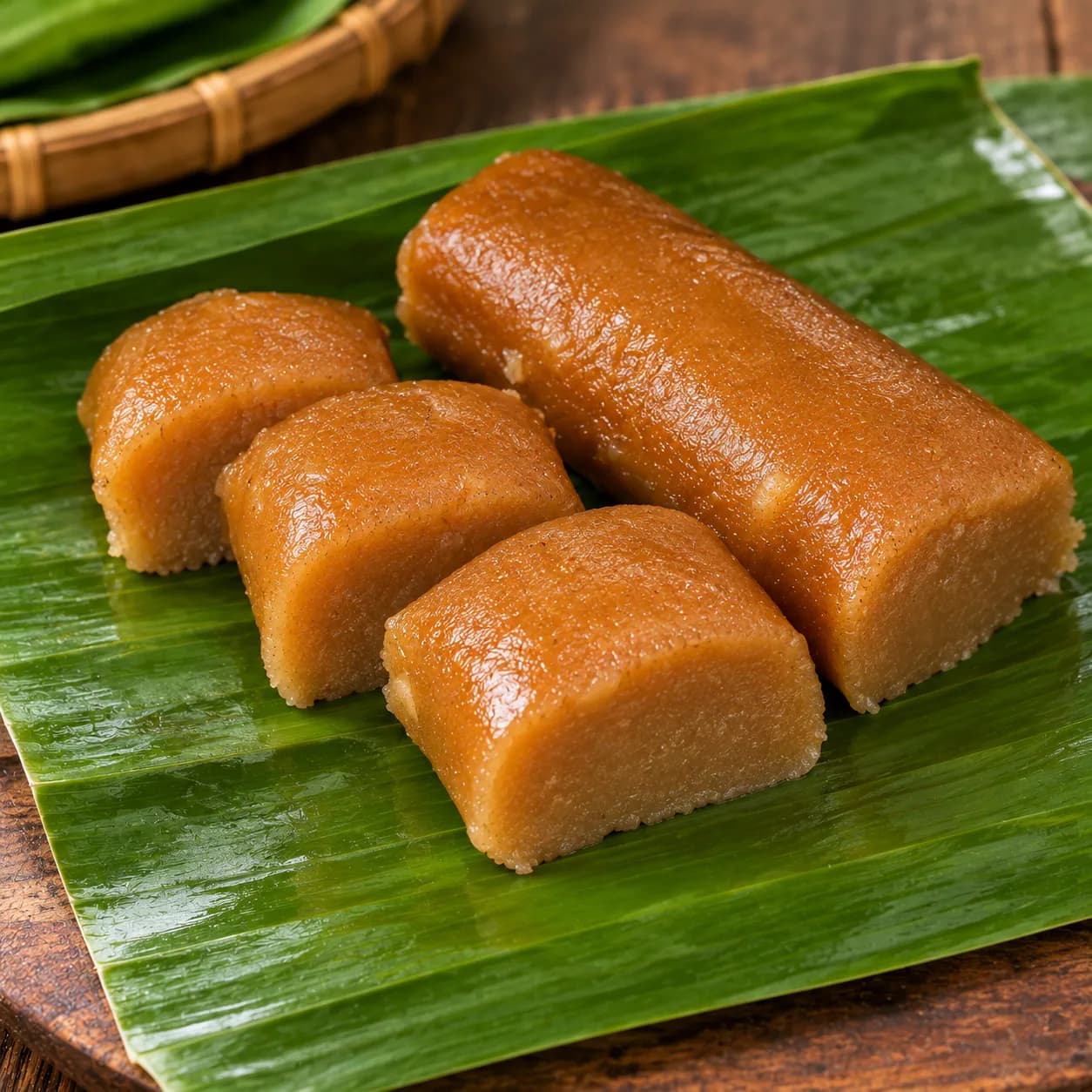
Bahi-bahi
Toasted pinipig ground fine and mixed with grated young coconut and sugar, pressed into logs and wrapped in banana leaves. The result is a soft kakanin with a slightly grainy texture.
How the food is shared
At the grave
Dishes are brought to the cemetery and eaten there, among the family and the neighbors' graves.
With coffee or sikwate
Strong barako coffee, salabat or sikwate, thick hot chocolate from tablea, keeps the all-night vigil going.
Made together
Grinding rice, grating coconut and wrapping leaves is done by the whole family, often the older hands leading.
Sweet with salty
Salty ibus with sugar and mango, sweet kalamay with coffee: the table balances the two.
Questions about kalag-kalag food
What does kalag-kalag mean?
It comes from the Visayan word for “souls” and is the name for All Saints' and All Souls' Day on 1 and 2 November, called Undas in Tagalog.
What is the difference between kalag-kalag and Undas?
They are the same observance. Undas is the Tagalog word, kalag-kalag the Hiligaynon one used in Iloilo, Negros and Panay.
Why so much sticky rice?
Sticky rice cakes keep for hours without refrigeration, are filling, and can be made in large amounts, which suits a day at the cemetery and a table to share.
What is the difference between ibus and suman?
Ibus is a kind of suman. The name refers to the coiled palm-leaf wrapper used in Iloilo and the rest of Western Visayas.
Can I make these outside the Philippines?
Yes. Glutinous rice, glutinous rice flour, coconut milk and muscovado sugar are sold at Asian grocery stores, and banana leaves are the easy substitute for palm leaves.
More guides
All guides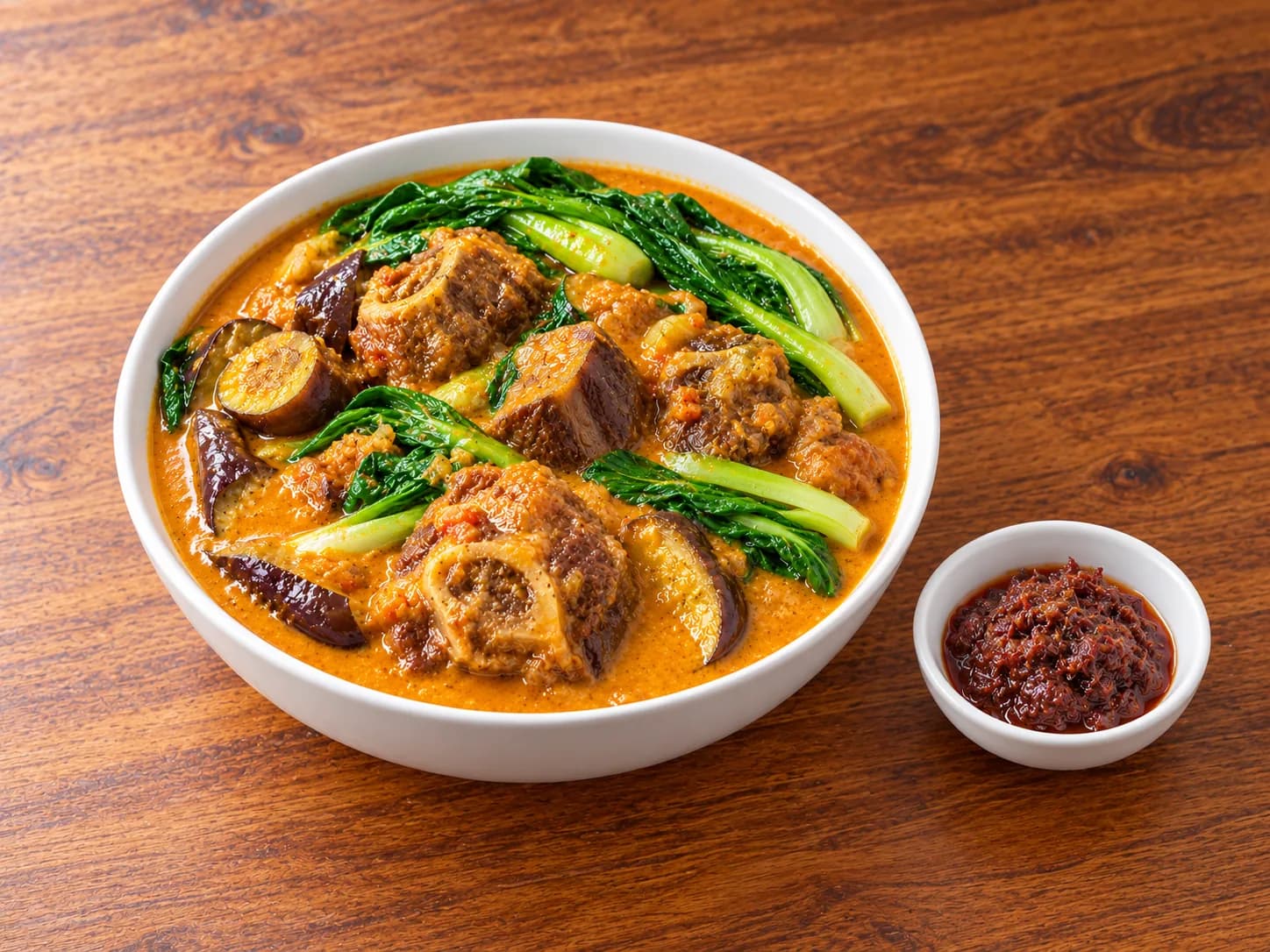
34 dishes
Filipino food
What Filipino cuisine is, its flavors, history and regions, and 34 classic dishes to try.
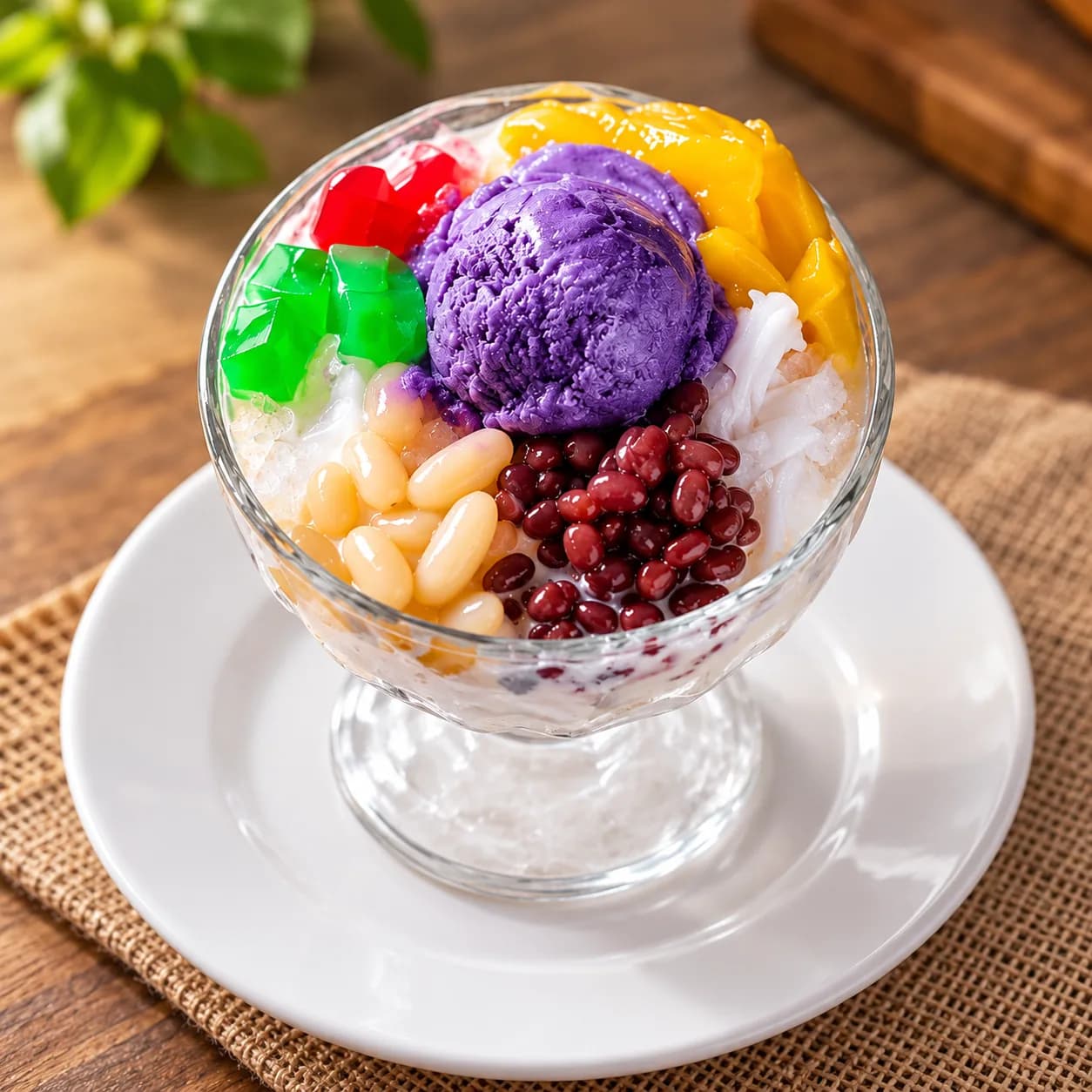
19 dishes
Filipino desserts
Halo-halo, leche flan, ube and the rice cakes called kakanin: 19 sweets and when they're eaten.

10 dishes
Filipino breakfast
The silog plate, cured meats, fried fish and rice porridge: 10 ways Filipinos start the day.

14 dishes
Filipino soups
Sour sinigang, gingery tinola, rich bulalo and more: 14 soups and how they're eaten.