Alupi nga Kamoteng Kahoy: Western Visayas Cassava Cake in Banana Leaves
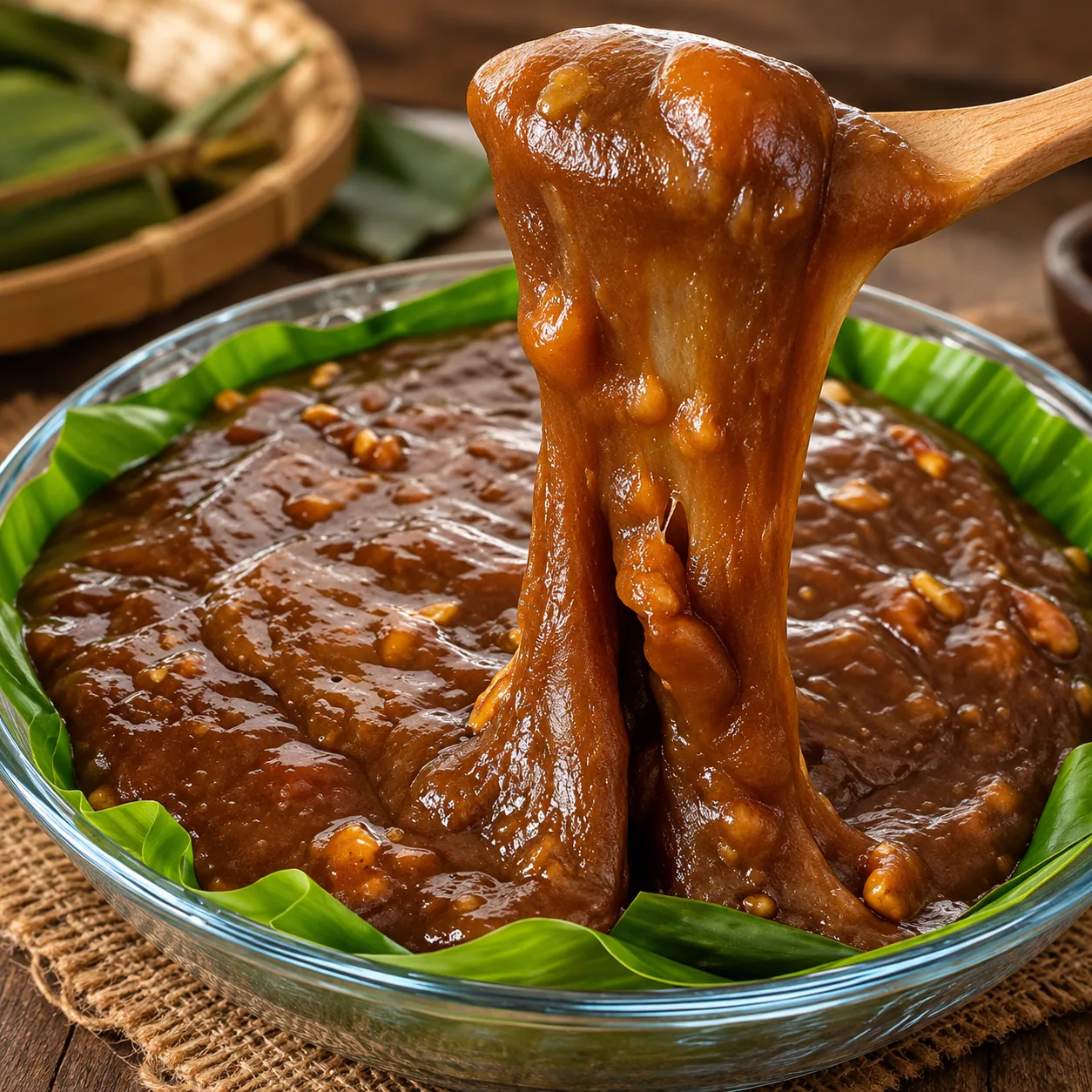
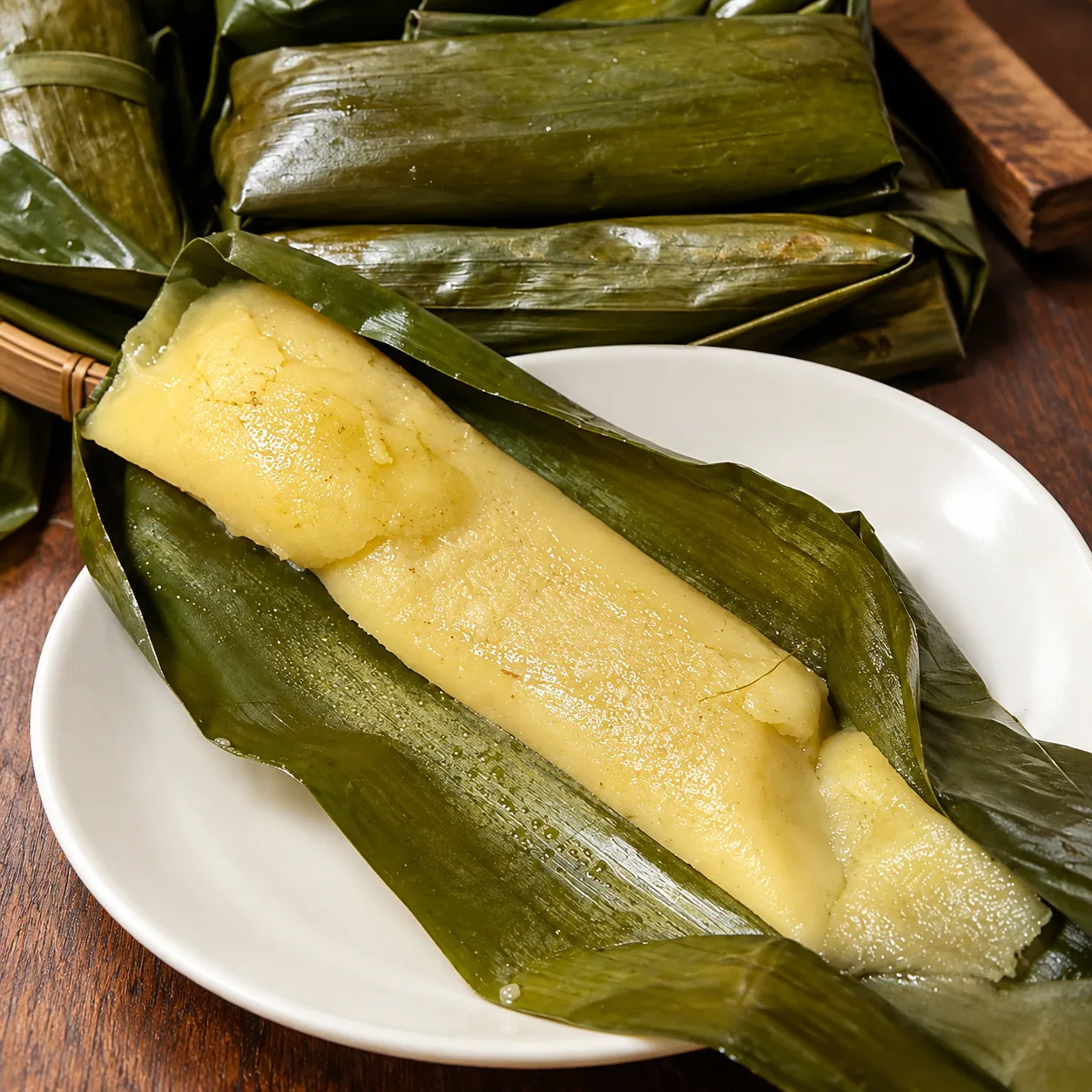
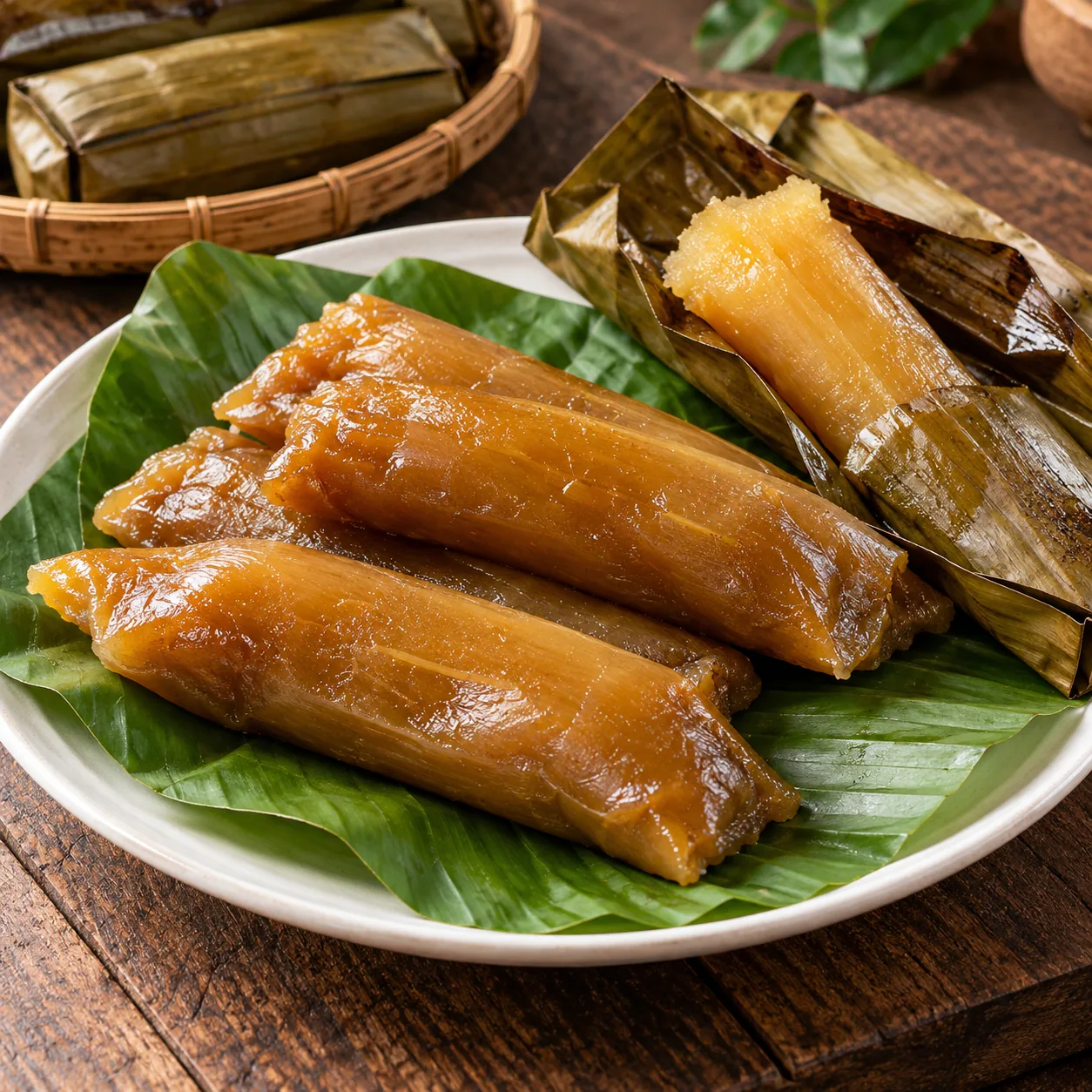
Alupi nga kamoteng kahoy is the Western Visayas kakanin of grated cassava, young coconut, coconut cream and brown sugar, wrapped in banana leaves and steamed until dense, chewy and sweet. Outside Panay and Negros it is usually called cassava suman.
From my family's kitchen
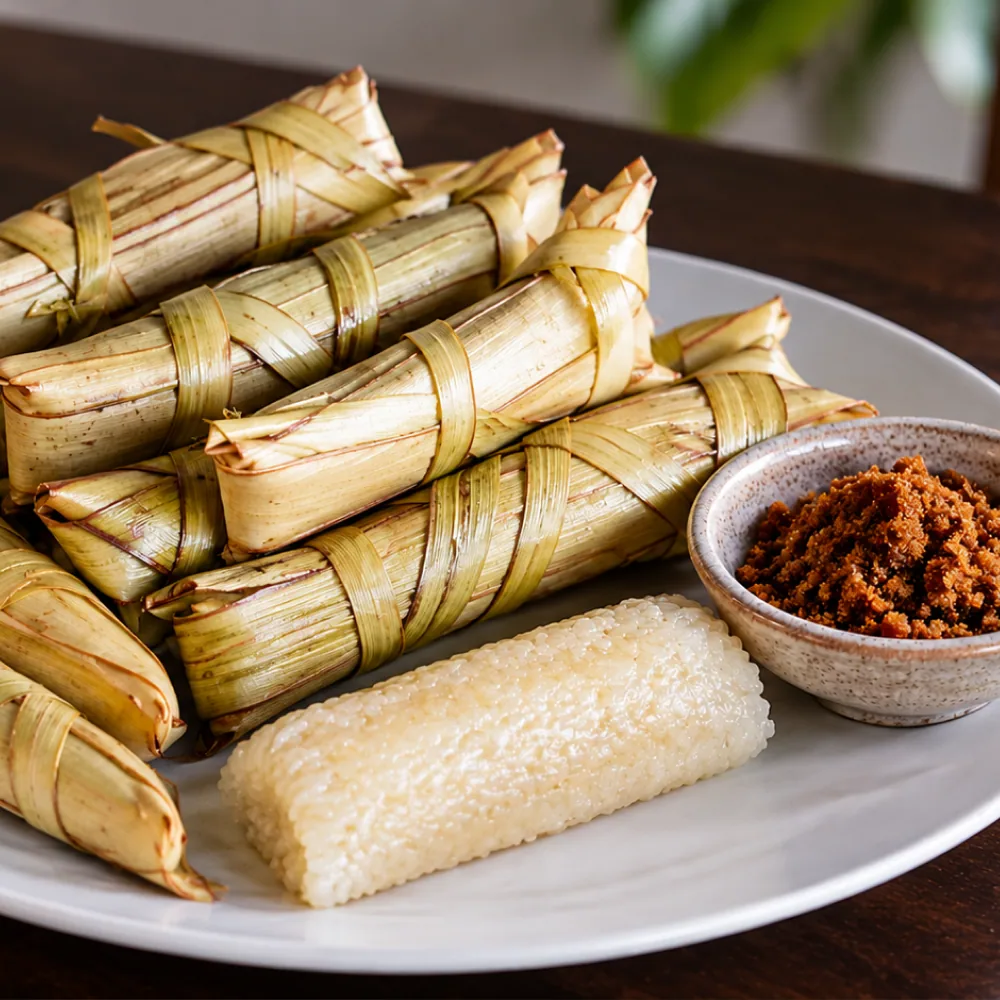
Alupi is one of my favorite kakanin. There are two versions, one made with kamoteng kahoy (cassava) and one made with sticky rice. Both taste different, but the preparation is almost the same. This page is the cassava one; for the sticky rice version, see Alupi nga Pilit.
About Alupi nga Kamoteng Kahoy
In most of Western Visayas this cassava cake goes by alupi (also spelled alupe). Grated cassava, called balinghoy in Hiligaynon and kamoteng kahoy in Tagalog, is mixed with strips of young coconut, a little coconut cream and sugar, then wrapped into small parcels and steamed. The cassava turns translucent and chewy, with bits of soft coconut through it. Some cooks shape it into long cylinders, which some people in Iloilo call sulpot.
Alupi is everyday merienda, sold by the bundle at markets, but it is also one of the native treats made for Undas alongside ibus and valenciana.
Ingredient notes
- Grated cassava (kamoteng kahoy): fresh is best. Frozen grated cassava works; thaw it and squeeze out some of the liquid.
- Young coconut meat: shredded, for soft bites through the cake.
- Coconut cream: keeps the cassava moist and rich.
- Brown sugar: gives a light caramel color. White sugar keeps alupi pale.
- Banana leaf: wraps the parcels and adds aroma.
Tips for the best Alupi
- Wilt the banana leaves over a flame. They fold without tearing.
- Wrap tightly. Loose parcels let steam in and make the alupi watery.
- Let it cool before unwrapping. It firms up as it cools.
What to serve with Alupi
Serve at room temperature with coffee or hot chocolate.
Variations and substitutions
- Alupi nga pilit: swap the cassava for glutinous rice cooked in coconut milk. See the sticky rice version.
- Pale alupi: use white sugar for a lighter color.
- With vanilla: add a teaspoon of vanilla extract to the mixture.
Storing and reheating
Keep alupi at room temperature for a day, or refrigerate for up to 4 days. Steam for 5 to 10 minutes to soften.
Frequently asked questions
Is alupi the same as cassava suman?
Yes. Alupi nga kamoteng kahoy is the Western Visayas name for cassava suman.
What is the difference between alupi nga kamoteng kahoy and alupi nga pilit?
The first is made from grated cassava and is chewy and translucent. The second is made from sticky rice and coconut milk and is softer and creamier. See Alupi nga Pilit.
Can I use frozen grated cassava?
Yes. Thaw it fully and squeeze out the extra liquid before mixing.
Why is my alupi sticky and wet?
It was not steamed long enough. The cassava should look translucent all the way through.
More Filipino recipes you might like
Alupi nga Pilit, Ibus, Puto Lanson and Biko.