Inihaw na Bangus: Grilled Milkfish Stuffed with Tomato and Onion
Inihaw na bangus is whole milkfish stuffed with tomato, onion and ginger and grilled over charcoal until the skin is crisp and the flesh stays moist. It is served with a dip of vinegar, soy sauce and chili, and a pile of hot rice.
About Inihaw na Bangus
Inihaw means grilled and bangus is milkfish, the fish that is often called the national fish of the Philippines. It is farmed in ponds all over the country, and its rich, mild flesh is a good fit for the grill. Everywhere you look, from the roadside stalls to the market, you will see whole bangus split, stuffed and laid over coals.
The stuffing is the signature. Chopped tomato, onion and ginger go into the belly cavity, where they steam as the fish cooks. They season the flesh from the inside, add a little acidity against the fat, and keep the meat moist. On the plate, you eat the fish with the soft stuffing and spoon the juices over rice. The dip, a sawsawan of vinegar, soy sauce, calamansi and chili, is not optional.
Bangus has a reputation for being bony because of the many fine bones along the fillet. Most people eat it carefully and set the bones aside. If you prefer, ask the market to debone it and leave the skin on; the grilled result is the same. Without bones, you can stuff it more, and the fish is easier to turn.
Ingredient notes
- Milkfish (bangus): choose fish of about 500 g each, scaled and gutted, with clear eyes and firm flesh. Fresh bangus has little smell. Frozen fish works if it is thawed overnight in the refrigerator.
- Tomato, red onion and ginger: the classic stuffing. Dice them small so they fit in the cavity and cook through.
- Green onion: adds a fresh, mild bite to the stuffing.
- Calamansi: rubs the fish and brightens the dip. Lemon works if you cannot find calamansi.
- Banana leaf: optional. A leaf under or around the fish keeps it from sticking and adds a light aroma.
- Cane vinegar and soy sauce: the base of the dip.
Tips for the best Inihaw na Bangus
- Dry the fish well. Wet skin steams and sticks. Pat it dry inside and out with paper towels.
- Salt the fish before stuffing. A dry rub on the skin and in the cavity seasons it all the way through.
- Do not overstuff. The cavity should close without bursting. Overfilled fish cooks unevenly and spills the filling into the fire.
- Oil the grate and heat it first. A hot, lightly oiled grate sears the skin on contact and keeps it from tearing when you turn it.
- Leave it alone. Do not move the fish for the first 8 to 10 minutes. The skin releases from the grate by itself when it is ready to turn.
What to serve with Inihaw na Bangus
Serve with steamed rice and the vinegar dip. Sliced tomatoes with salt and a plate of Ensaladang Talong are traditional sides, and a bowl of Pinakbet works for a bigger meal.
Variations and substitutions
- Wrapped in foil: wrap each stuffed fish in banana leaf and then foil, and grill for 30 minutes, turning once. The fish steams in its own juices.
- In the oven: bake at 220 °C for 25 minutes on a lined tray, then finish under the grill for 3 minutes to crisp the skin.
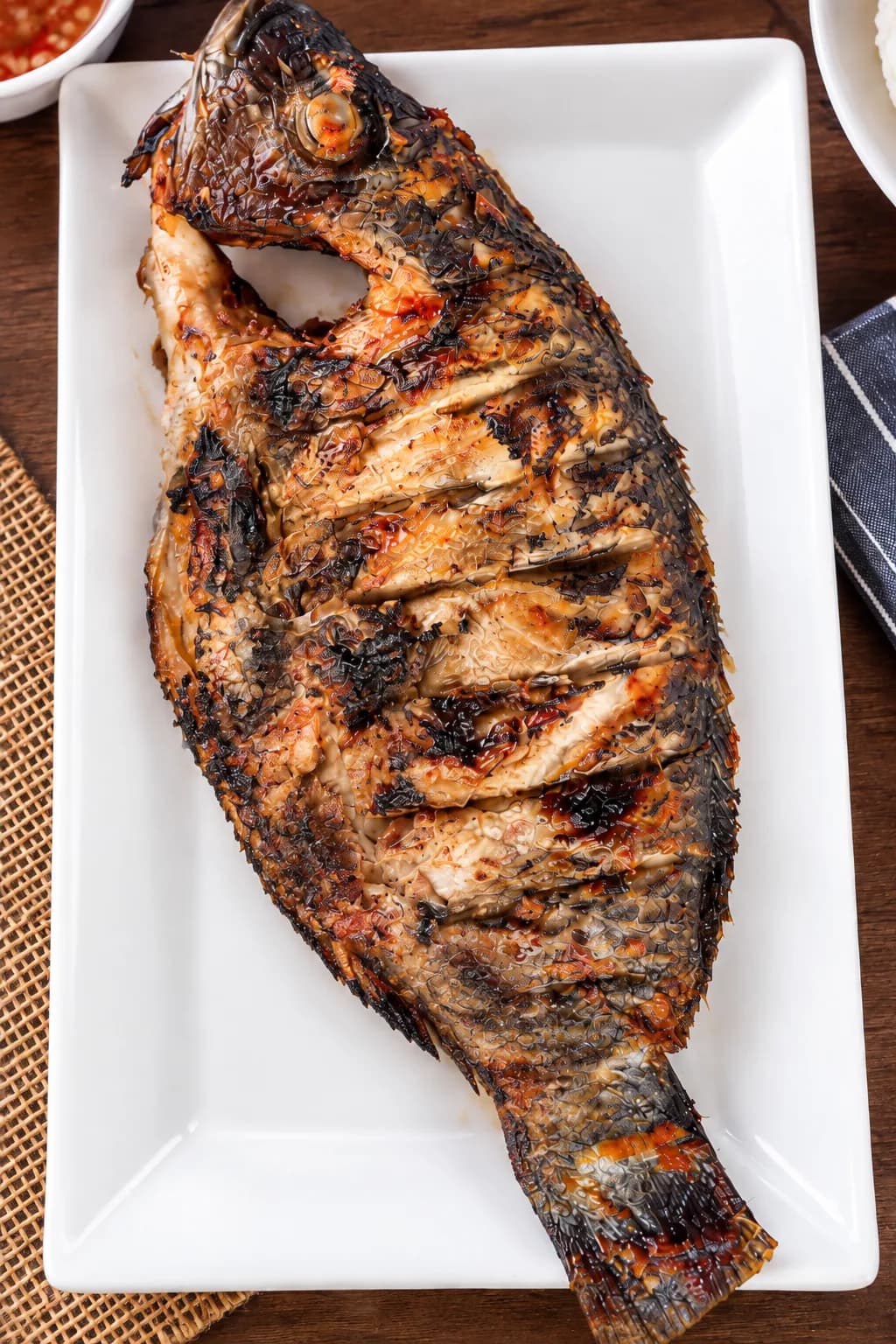
- Other fish: the same method works for tilapia. See Inihaw na Tilapia.
- Spicier dip: add a chopped bird's eye chili or two.
Storing and reheating
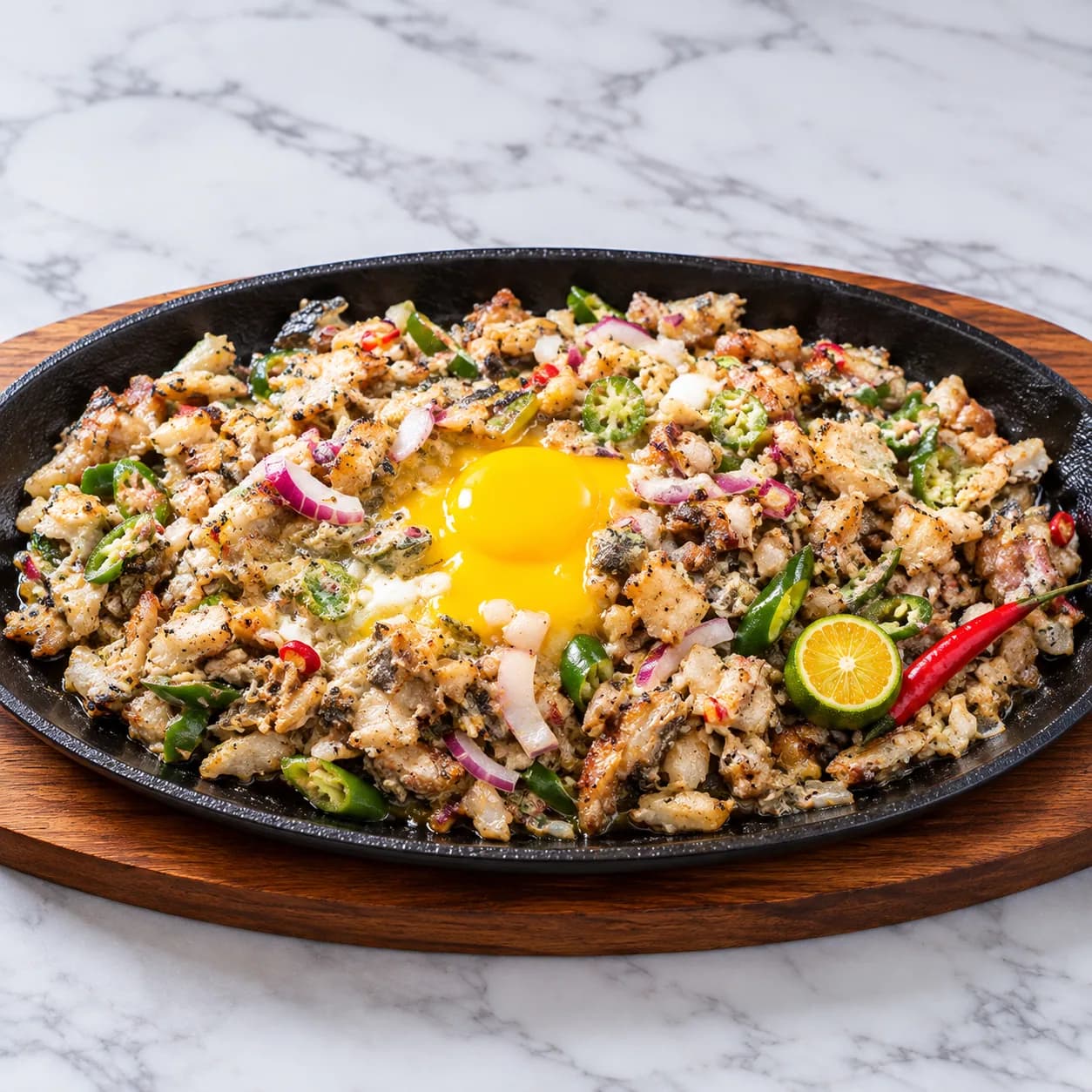
Eat grilled bangus the same day. Refrigerate leftovers for up to 2 days and reheat in a hot oven or air fryer to bring back the crisp skin. Leftover meat, picked from the bones, can go into a pan with garlic and rice, or into Bangus Sisig.
Frequently asked questions
What does inihaw mean?
Inihaw means grilled, usually over charcoal. Inihaw na bangus is grilled milkfish.
Do I need to remove the bones from bangus?
No. You can grill it whole with the bones and eat around them. If you prefer, ask the market to debone it.
Can I grill it without charcoal?
Yes. A gas grill, a grill pan or the oven all work. Charcoal adds a smoky flavor that the others do not.
Why does the skin stick to the grate?
The grate was not hot or oiled, or the fish was turned too early. Heat the grate first, oil it, and wait until the skin releases by itself.
What is the stuffing for?
It seasons the fish from the inside and keeps the meat moist while the skin crisps outside.
What is the best dip for grilled bangus?
A mix of cane vinegar, soy sauce, garlic, chili and calamansi juice. Some people prefer plain vinegar with garlic and salt.