Puto Manapla: Soft, Chewy Rice Flour Puto from Negros Occidental
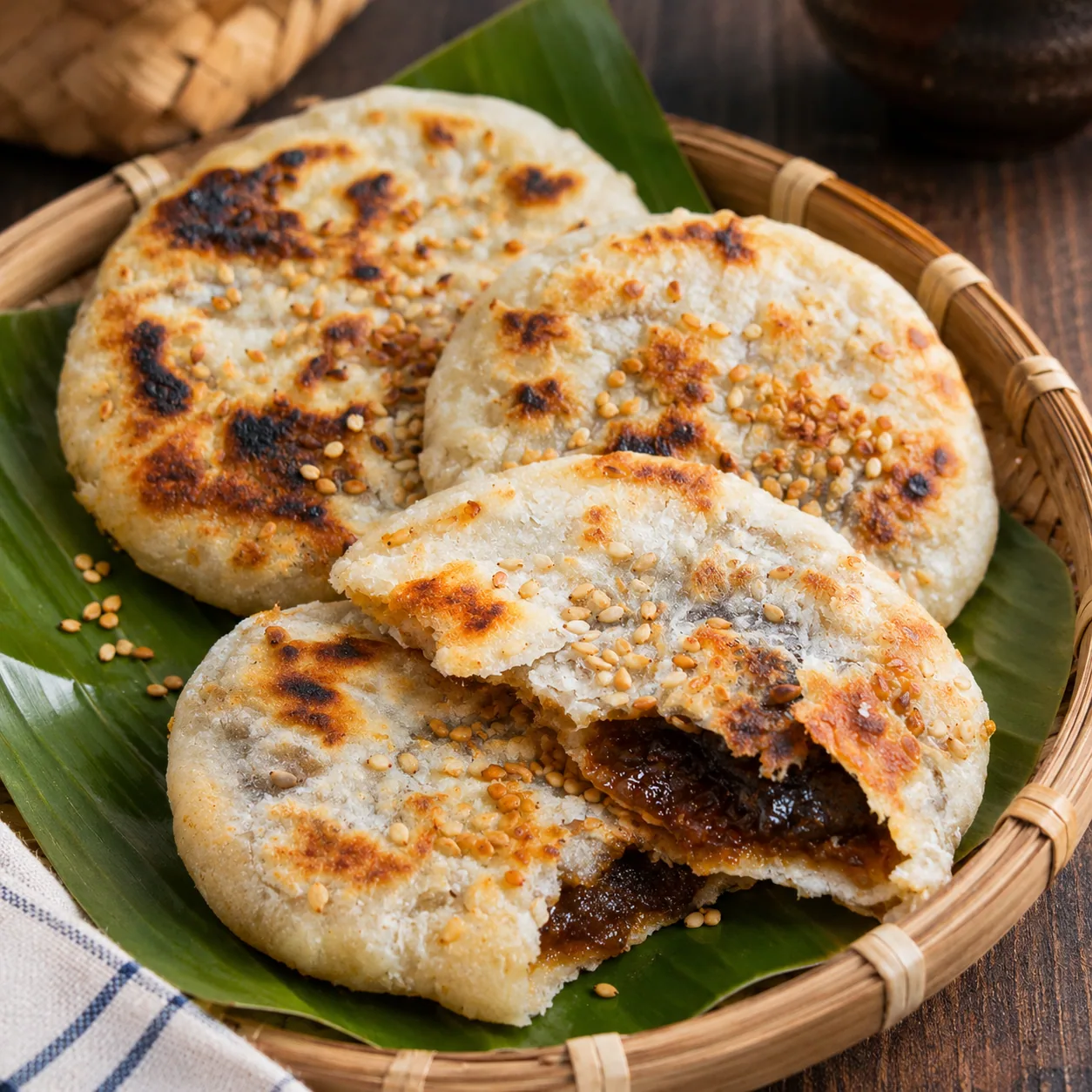
Puto Manapla is a plain white steamed rice cake wrapped in banana leaf, soft but dense, with a gentle chew. This home version uses rice flour, a cooked flour paste and yeast, and steams in about 20 minutes.
What is Puto Manapla?
Puto Manapla comes from the town of Manapla in Negros Occidental, where vendors sell it warm at roadside stands, and it is just as common in Iloilo. The classic is plain white, with no coloring, cheese or salted egg, and it is steamed in banana leaf, which gives it a light fragrance. It is denser and chewier than the fluffy puto you may know from other regions, and in Negros and Iloilo people eat it with dinuguan or La Paz batchoy.
This recipe is a home version, not the original. Families in Manapla make the puto their own way, and the old method uses rice ground at home (galapong), fermented, and sometimes leavened with tuba (coconut wine). None of those family methods is published with amounts, so this page uses the rice flour way that home cooks use instead. People from Manapla will tell you it does not taste the same, and that is fair: it is a close, easy cousin, not a copy.
This is my own take on Puto Manapla. I am not very familiar with the original recipe and I am still figuring it out. If you want to taste the authentic version, visit Manapla in Negros Occidental, Philippines, about 43 to 46 km (27 to 29 miles) from Bacolod City. Some places in Bacolod also sell authentic Puto Manapla.
Why this Puto Manapla recipe works
- A cooked flour paste keeps it soft. Cooking a little of the flour with water first (the tanzhong or roux method) holds moisture in the batter, so the puto stays tender instead of drying out.
- Yeast and baking powder work together. The yeast gives a slightly fermented flavor like the old tuba batters, and the baking powder gives dependable lift without days of fermenting.
- A short rest before steaming. Twenty minutes lets the flour soak up the liquid and the yeast wake up, which gives a smooth, even crumb.
- Banana leaf. It lines the mold, keeps the puto from sticking and adds the scent that makes it taste like Manapla.
Ingredient notes
- Rice flour: use plain rice flour (giniling na bigas), not glutinous or sweet rice flour, which turns the puto sticky like kalamay. If you can get fresh galapong, soaked and ground rice, that is closer to the original.
- Instant yeast: 1 tablespoon for this amount of flour. Active dry yeast also works if you stir it into a little warm water first.
- Coconut milk: optional. Use it in place of the water in the batter (not in the roux) for a richer, more fragrant puto.
- Banana leaf: sold frozen at Asian stores. Soften it over a flame or in hot water so it does not tear. Parchment paper liners are the closest stand-in.
- Toothpick or skewer: you need one to test whether the puto is done: it should come out clean from the center.
Tips for the best Puto Manapla
- Cool the roux completely before mixing it in. A hot paste kills the yeast, and the puto will come out flat and dense.
- Stir the roux the whole time. Flour and water catch on the bottom of the pot fast, so keep the heat low and keep stirring until it is thick like a paste.
- Do not skip the 20-minute rest. The batter needs the time to hydrate and start rising.
- Steam over steady medium heat. Heat that is too high makes puto crack on top.
- Wrap the lid in a cloth. It catches the drips so water does not fall on the puto and leave wet spots.
- Fill the molds about three quarters full. The batter rises as it steams, and a full mold spills over.
What to serve with Puto Manapla
Eat it warm. In Negros and Iloilo it is the partner of Dinuguan and La Paz Batchoy. It is also good with coffee or a cup of Tsokolate for merienda.
Variations and substitutions
- Coconut milk: replace the batter water with coconut milk for a richer puto.
- Cheesy Puto Manapla: a popular Iloilo variation has yellow coloring in the batter and grated cheese on top. The classic Manapla puto is plain.
- Ube: stir ube flavoring into the roux and the batter, starting with about 1 tablespoon in total and adding to taste.
- No yeast: many rice flour puto recipes use baking powder alone with the same roux. The puto is less fermented in flavor but just as soft.
- Molds: use puto molds, ramekins or a muffin tin. Small molds give more pieces and cook a little faster; big ones fill you up in one.
Storing, freezing and reheating
Puto Manapla is best the day it is made. Keep leftovers in an airtight container for up to 3 days in the fridge; the rice firms up when cold, so steam them for 5 minutes to soften them again. Freeze wrapped puto for up to a month and steam from frozen for about 10 minutes.
Frequently asked questions
What is Puto Manapla?
It is a plain white steamed rice cake from Manapla, Negros Occidental. It is soft, dense and slightly chewy, and it is steamed in banana leaf.
Is this the real Puto Manapla?
Not exactly. This is a home version made with rice flour, because the family recipes from Manapla are not shared with amounts. It gives the same look, the banana leaf scent and a similar soft, chewy bite.
Why did my puto crack or turn out dense?
Cracking means the steam was too strong. A dense puto usually means the roux was still warm when it went in, which killed the yeast, or the batter did not rest for 20 minutes.
Can I make Puto Manapla without yeast?
Yes. Leave out the yeast and use baking powder alone. The puto will taste less fermented but still be soft.
How is it different from Puto Calasiao?
Puto Calasiao is from Pangasinan and is also made from rice flour, but it is usually lighter. Puto Manapla is described as heavier and chewier.