Iloilo Pinamalhan nga Bangus: Milkfish Simmered in Vinegar Until Nearly Dry
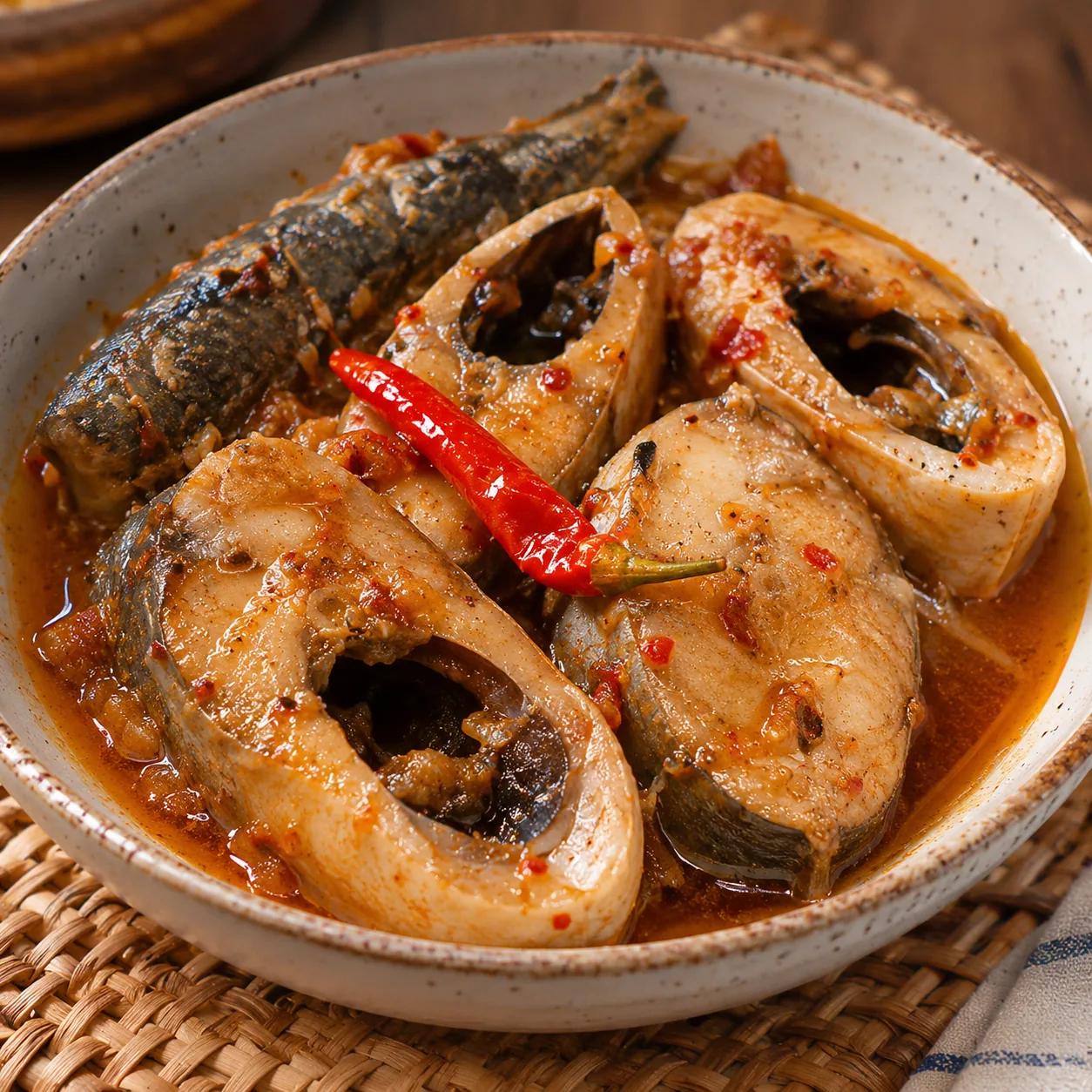
Pinamalhan nga isda is the Ilonggo way of cooking fish in vinegar: whole fish, garlic, ginger and pepper simmered until the sauce has almost cooked away, then finished with a drizzle of oil. What is left is a salty, sharp, sticky glaze on the fish.
About Pinamalhan nga Isda
Pinamalhan comes from the Hiligaynon word mala, which means dry. That is the whole difference from Paksiw na Isda, the same method in Tagalog kitchens: paksiw is served with a good amount of sauce, while pinamalhan is cooked down until the vinegar has almost gone and the fish is coated with what is left.
It is everyday food in Iloilo and across Panay. The fish is whatever the market has: sapsap (ponyfish), salmonete (goatfish), aloy, lupoy (tiny sardines), milkfish or round scad. Many cooks sour the pot with a local fruit as well, such as batwan, iba (bilimbi), kamias, green mango or tomato, and some add a spoonful of soy sauce. Others do not, and the pot is only vinegar, garlic, salt and pepper. Both are called pinamalhan, and both are right.
Because the vinegar preserves the fish, pinamalhan keeps for a day or two without a refrigerator, and it tastes better the next day.
Why this Pinamalhan recipe works
- Aromatics go under the fish. Garlic, ginger, onion and tomato form a bed that stops the fish from sticking and flavors the sauce.
- The vinegar is not stirred. Boiled without stirring for a few minutes, it loses its raw edge and the sauce tastes sharp but clean.
- Little liquid, a long simmer. Half a cup of vinegar and a splash of water is enough. The fish cooks in a concentrated sauce rather than a broth.
- Oil at the end. A drizzle in the last few minutes gives the sauce a gloss and rounds out the vinegar.
Ingredient notes
- Milkfish (bangus): thick steaks of about 2 cm, cut across the fish with the bones in. Small whole fish such as sapsap, salmonete or galunggong cook the same way, in a little less time. Remove the guts and gills from whole fish, and scale them.
- Cane vinegar: mild and slightly sweet. Coconut vinegar and sukang Iloko also work. Plain white vinegar is harsher, so use a little less.
- Soy sauce: optional, and it deepens the color and the salt. If you leave it out, add a pinch more salt.
- Ginger and garlic: be generous. They carry the flavor of a dish with so few ingredients.
- Batwan: one of the Ilonggo souring fruits. Kamias or a few slices of green mango can replace it.
- Long green chili: siling haba, left whole for aroma.
Tips for the best Pinamalhan nga Isda
- Use a wide, shallow pan. The fish should lie in one layer, so the sauce reduces quickly and evenly.
- Do not stir. Shake the pan or spoon the sauce over the fish, so the skin stays on.
- Let it bubble gently. A medium-low simmer reduces the sauce without burning the garlic.
- Stop when it is almost dry. You want a thin, sticky glaze, not a pan that has run dry.
- Finish with oil. Add it in the last few minutes, not at the beginning.
What to serve with Pinamalhan nga Isda
Hot steamed rice, or garlic fried rice. A plate of sliced tomatoes with salt, or a dish of steamed vegetables, balances the sharp sauce. Some people eat it with a side of sinamak, the spiced vinegar of Panay.
Variations and substitutions
- Pinamalhan na bangus: cut a milkfish into thick steaks, and cook for a little longer.
- With tomato: add more tomato for a rounder, sweeter sauce, and leave the soy sauce out.
- Sour pinamalhan: add 4 batwan or kamias for a stronger tang.
- Different fish: mackerel, tilapia and small sardines all work. Thick pieces need an extra 5 to 10 minutes.
Storing and reheating
Keep the fish in a covered container in the fridge for up to 4 days. Reheat gently in a pan with a splash of water, without stirring. It also tastes good cold with rice.
Frequently asked questions
What is pinamalhan?
Pinamalhan is the Ilonggo name for fish cooked in vinegar until nearly dry. It is the Visayan cousin of paksiw na isda.
What is the difference between pinamalhan and paksiw?
Paksiw keeps a good amount of sauce, while pinamalhan is cooked until the sauce has nearly gone. Many Ilonggo versions also add soy sauce or a local souring fruit.
Which fish is best for pinamalhan?
Small whole fish such as sapsap, salmonete, galunggong and lupoy are the usual choices, and milkfish steaks work well too.
Can I make it with fish fillets?
You can, but whole fish and thick bone-in pieces keep their shape and give more flavor.